 USD
($)
USD
($) AUD
($)
AUD
($) CAD
($)
CAD
($) EUR
(€)
EUR
(€) HKD
($)
HKD
($) MYR
(RM)
MYR
(RM) GBP
(£)
GBP
(£) SGD
($)
SGD
($)




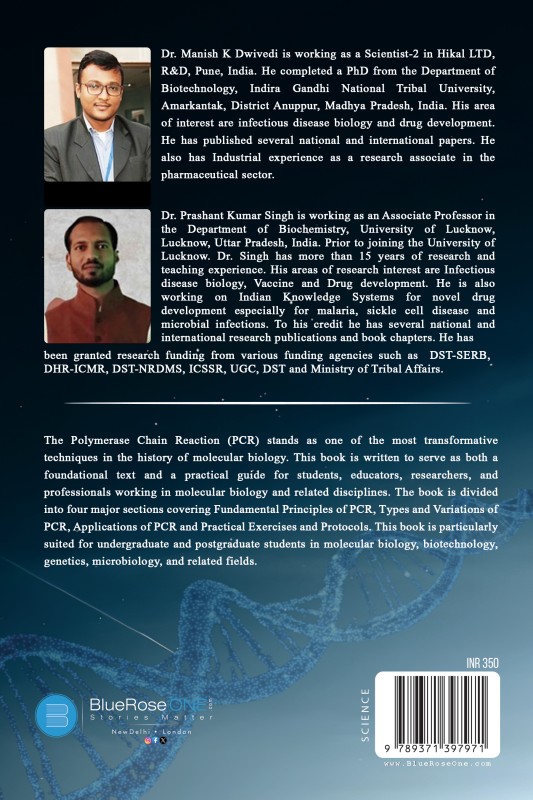
A Handbook of PCR (Polymerase Chain Reaction)
by Prashant Kumar Singh | 18-Aug-2025
(0)
The Polymerase Chain Reaction (PCR) stands as one of the most transformative techniques in the history of molecular biology. Since its conceptualization by Kary Mullis in 1983, PCR has become a cornerstone of modern biological sciences. Its profou...

Original
Books
Fastest
Delivery
7-day
Replacement
Book Details
- Language : English
- Pages : 173
- ISBN : 9789371397971
- Genre: ACADEMIC
- Size : 6" x 9"
- Binding Type : PAPERBACK
- Age Group: + Years
- Paper Type : NATURAL SHADE
- Interior : BLACK & WHITE
- Cover : MATTE FINISH
- Book Type : PAPERBACK
- Tags : PCR,Gene Cloning,RT-PCR,Real-time PCR,DNA amplification
-
Best Sellers Rank :
#1738 in Academics
#10864 in Global
Reviews
There are no reviews for this product yet.
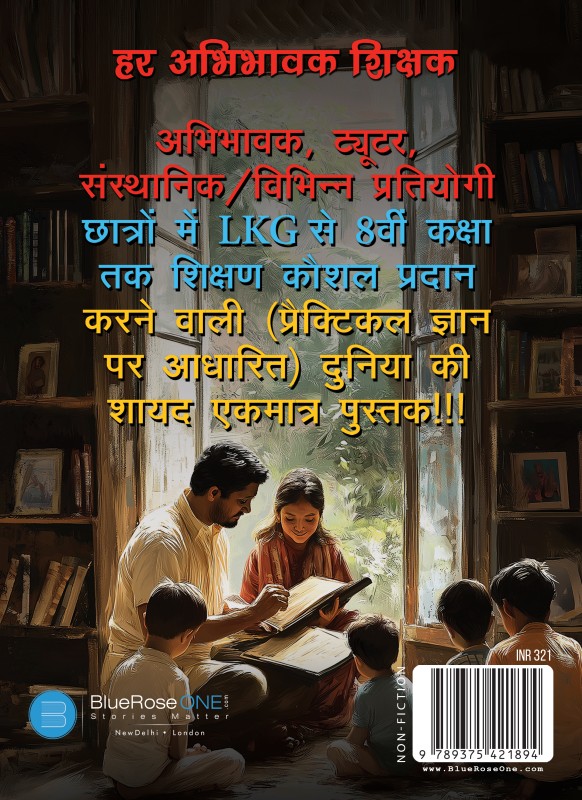
Rs.321

Rs.195



Rs.137
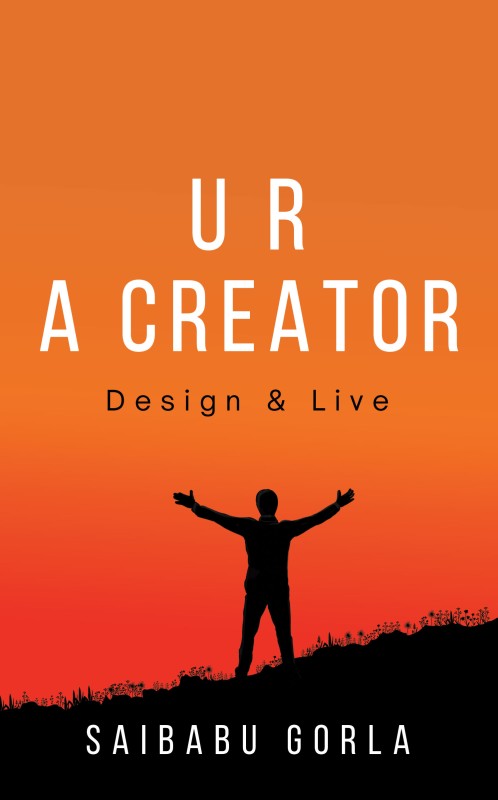
Rs.399