 USD
($)
USD
($) AUD
($)
AUD
($) CAD
($)
CAD
($) EUR
(€)
EUR
(€) HKD
($)
HKD
($) MYR
(RM)
MYR
(RM) GBP
(£)
GBP
(£) SGD
($)
SGD
($)



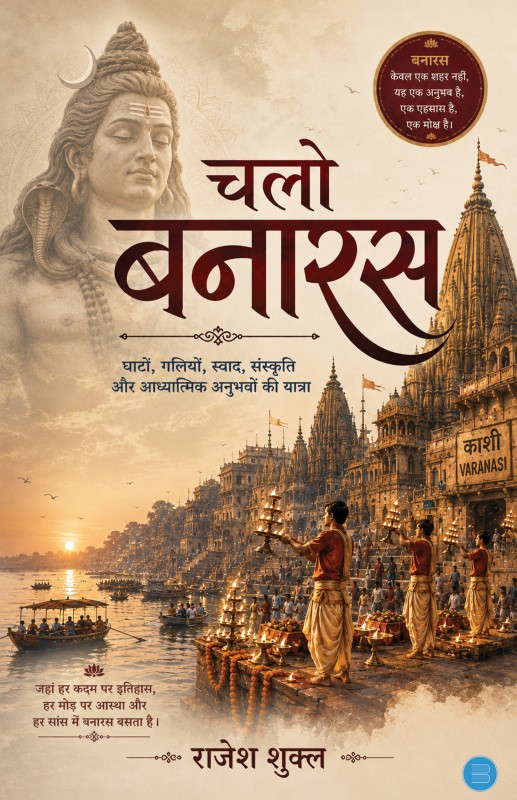
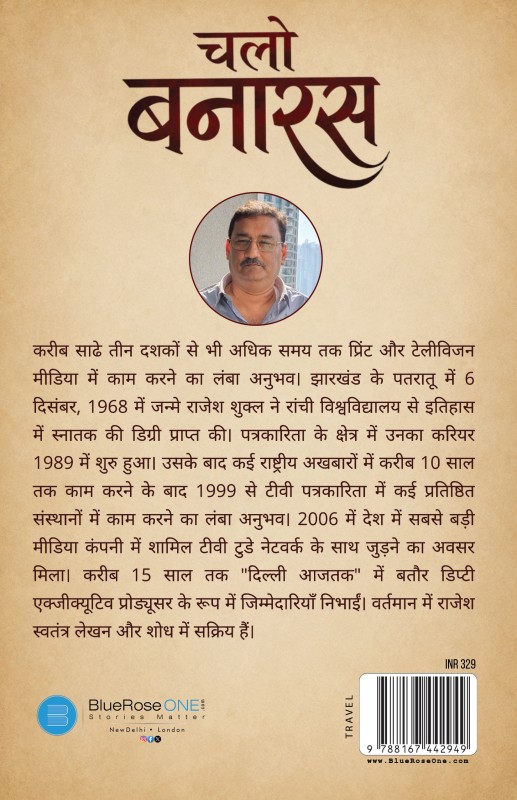
Chalo Banaras
by Rajesh Shukla | 14-Aug-2026
(0)
This book ' CHALO BANARAS' presents Varanasi (BANARAS) not merely as a geographical entity but as a symbol of India’s subtle, continuous tradition of spiritual and socio-political resistance. It traces the city’s role from ancient times through th...

Original
Books
Fastest
Delivery
7-day
Replacement
Book Details
- Language : Hindi
- Pages : 90
- ISBN : 9788167442949
- Genre: NON-FICTION
- Size : 5.5" x 8.5"
- Binding Type : PAPERBACK
- Age Group: + Years
- Paper Type : NATURAL SHADE
- Interior : BLACK & WHITE
- Cover : GLOSS FINISH
- Book Type : PAPERBACK
- Tags : Banaras,Varanasi,Kashi,Travel,Heritage,Spirituality,Ghats,Pilgrimage
-
Best Sellers Rank :
#3118 in Non - Fiction
#13973 in Global
Reviews
There are no reviews for this product yet.

Rs.321

Rs.195


Rs.137

Rs.399