 USD
($)
USD
($) AUD
($)
AUD
($) CAD
($)
CAD
($) EUR
(€)
EUR
(€) HKD
($)
HKD
($) MYR
(RM)
MYR
(RM) GBP
(£)
GBP
(£) SGD
($)
SGD
($)



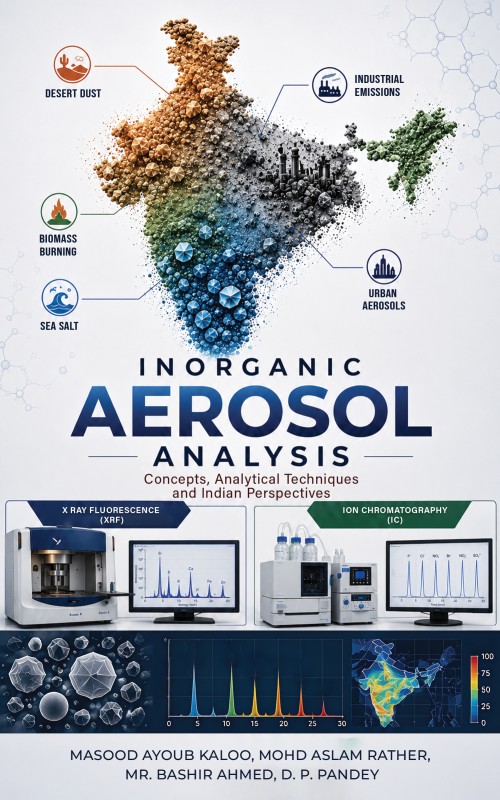
Inorganic Aerosol Analysis
by makandchem | 02-Sep-2026
(0)
This book discusses various aspects of inorganic aerosol analysis. It begins with an introduction to aerosols, including basic terminology, the need for aerosol analysis, and the scope of inorganic aerosol research. It then focusses on the inorgan...

Original
Books
Fastest
Delivery
7-day
Replacement
Book Details
- Language : English
- Pages : 114
- ISBN : 9788167444660
- Genre: ACADEMIC
- Size : 5" x 8"
- Binding Type : PAPERBACK
- Age Group: + Years
- Paper Type : WHITE PAPER
- Interior : BLACK & WHITE
- Cover : MATTE FINISH
- Book Type : PAPERBACK
- Tags : Aerosol,Analysis,XRF,Ion chromatography,India
-
Best Sellers Rank :
#2182 in Academics
#14107 in Global
Reviews
There are no reviews for this product yet.

Rs.321

Rs.195



Rs.137

Rs.399