 USD
($)
 AUD
($)
 CAD
($)
 EUR
(€)
 HKD
($)
 MYR
(RM)
 GBP
(£)
 SGD
($)




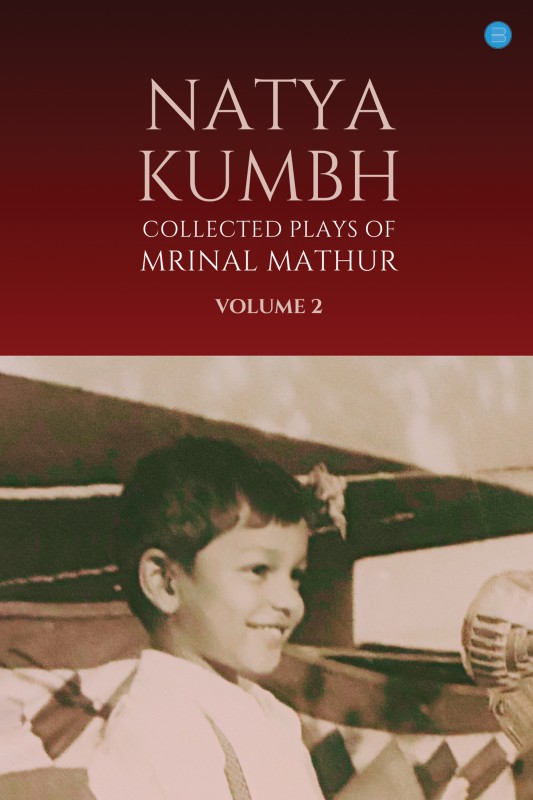
Natya Kumbh Collected Plays of Mrinal Mathur Volume 2
by Mrinal Mathur | 16-Nov-2026
(0)
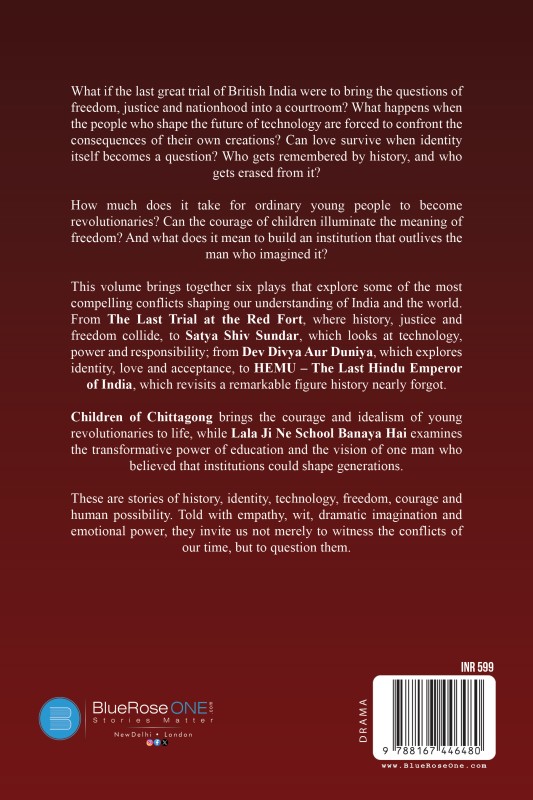
What if the last great trial of British India were to bring the questions of freedom, justice, and nationhood into a courtroom? What happens when the people who shape the future of technology are forced to confront the consequences of their own cr...

Original
Books
Fastest
Delivery
7-day
Replacement
Book Details
- Language : English
- Pages : 316
- ISBN :
- Genre: FICTION
- Size : 5" x 8"
- Binding Type : PAPERBACK
- Age Group: + Years
- Paper Type : NATURAL SHADE
- Interior : BLACK & WHITE
- Cover : MATTE FINISH
- Book Type : EBOOK
- Tags : Natya Kumbh Collected Plays of Mrinal Mathur Volume 2,Mrinal Mathur,Contemporary Indian Theatre,Indian Drama,Hindi and English Plays,Historical Drama,Indian History,Freedom and Justice,Technology and Ethics,Identity and Relationships,Revolutionaries of India,Educational Institutions,Social Conflict,Political Theatre
-
Best Sellers Rank :
#3968 in Fiction
#14822 in Global
Reviews
There are no reviews for this product yet.

Rs.160
Rs.321

Rs.195



Rs.137