 USD
($)
USD
($) AUD
($)
AUD
($) CAD
($)
CAD
($) EUR
(€)
EUR
(€) HKD
($)
HKD
($) MYR
(RM)
MYR
(RM) GBP
(£)
GBP
(£) SGD
($)
SGD
($)



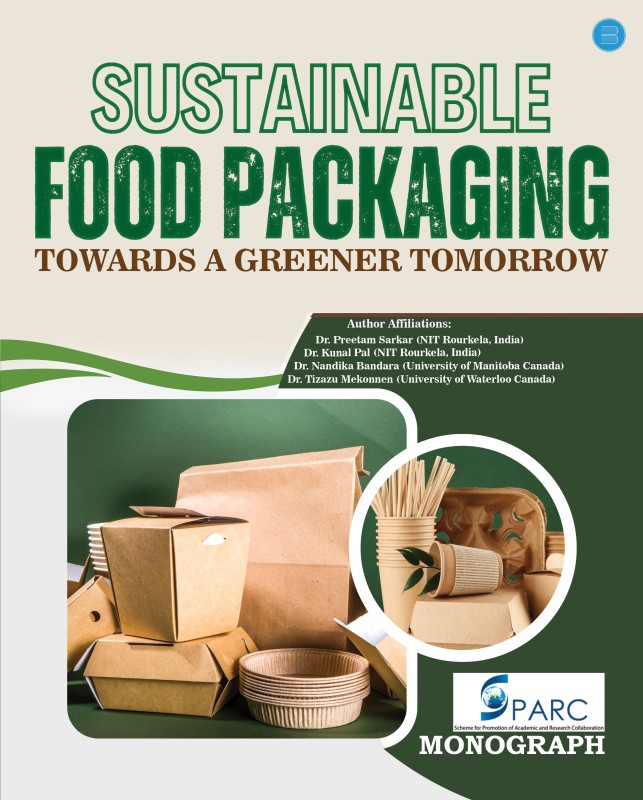
Sustainable Food Packaging: Towards a Greener Tomorrow
by | 13-Feb-2026
(0)
Sustainable food packaging derived from carbohydrates, proteins, and nanocomposites has emerged as a promising alternative to conventional petroleum-based plastics, addressing environmental concerns while maintaining food quality and safety. Carbo...

Book Details
- Language : English
- Pages : 114
- ISBN : 9789371395526
- Genre: ACADEMIC
- Size : 8" x 11"
- Binding Type : HARDBOUND
- Age Group: + Years
- Paper Type : WHITE PAPER
- Interior : COLOR
- Cover : MATTE FINISH
- Book Type : HARDBOUND
- Tags : Food packaging,Sustainable packaging,Circular Bioeconomy,Antimicrobial food packaging,Nanocomposites,Carbohydrate-based packaging,Protein-based packaging,Bio-based materials
-
Best Sellers Rank :
#1957 in Academics
#12252 in Global
Reviews
There are no reviews for this product yet.

Rs.321

Rs.195



Rs.137

Rs.399