 USD
($)
USD
($) AUD
($)
AUD
($) CAD
($)
CAD
($) EUR
(€)
EUR
(€) HKD
($)
HKD
($) MYR
(RM)
MYR
(RM) GBP
(£)
GBP
(£) SGD
($)
SGD
($)



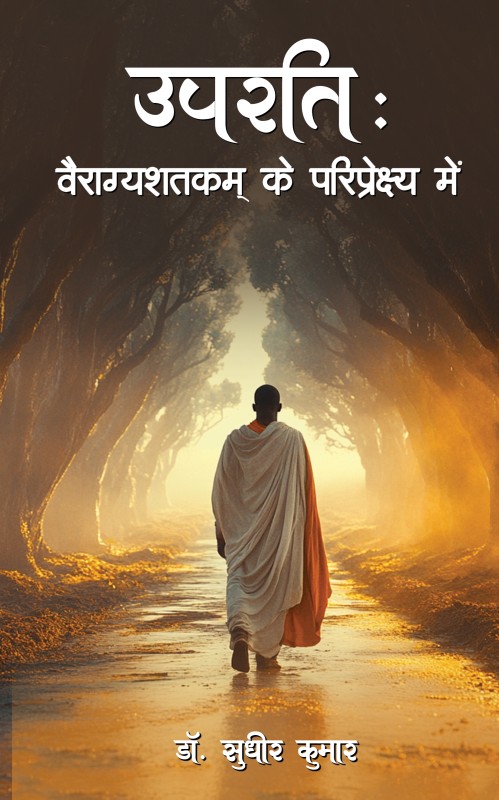
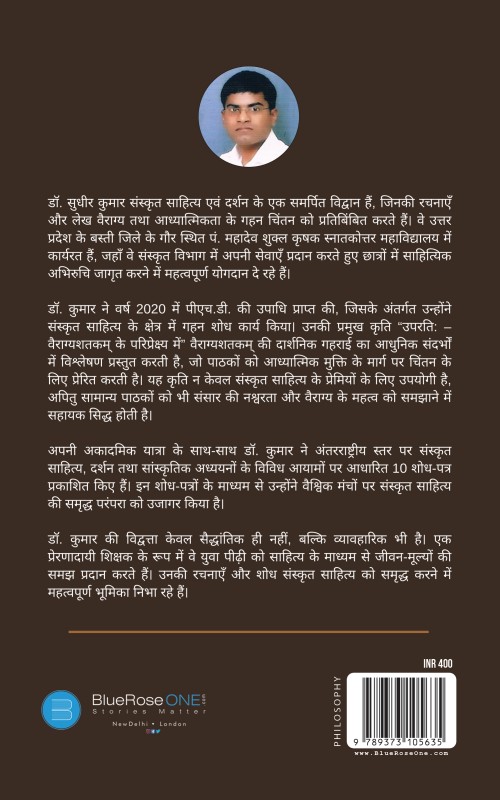
Uprati: Vairagyashatakam ke Pariprekshya Mein
by | 15-Dec-2025
(0)
Bhartṛhari’s Vairāgya-śatakam is regarded as his masterpiece, in which he portrays worldly pleasure as the greatest misery and complete dispassion (vairāgya) as the only path to liberation. Through a hundred profound verses, he exposes the futilit...

Book Details
- Language : Hindi
- Pages : 53
- ISBN : 9789373105635
- Genre: FICTION
- Size : 5" x 8"
- Binding Type : HARDBOUND
- Age Group: + Years
- Paper Type : WHITE PAPER
- Interior : BLACK & WHITE
- Cover : GLOSS FINISH
- Book Type : HARDBOUND
- Tags : Dr. Sudhir Kumar,Uprati: Vairagyashatakam ke Pariprekshya mein,Bhartṛhari,Vairagya Shatakam,Vairāgya-śatakam,Renunciation,Vairagya,Dispassion,Hindu philosophy,Eastern philosophy,Moksha,Liberation,Detachment,Impermanence,Worldly desire,Spiritual wisdom
-
Best Sellers Rank :
#3168 in Fiction
#11795 in Global
Reviews
There are no reviews for this product yet.
Rs.321

Rs.195

Rs.137
Rs.399