
What is Speculative Fiction? Definition, Genres & 2026 Books


Ever found yourself captivated by stories that challenge reality? Tales that explore the “what ifs” of our world, pushing the boundaries of what’s possible and imagining futures yet unseen? If so, you’ve likely encountered the fascinating world of speculative fiction.
This broad and captivating genre encompasses a wide range of stories, from epic fantasies and mind-bending science fiction to eerie supernatural tales and thought-provoking alternative histories.
At its core, speculative fiction is an umbrella term for stories that introduce elements not found in our current reality.
Imagine a world where dragons soar through the skies, where AI has achieved sentience, where time travel is a reality, or where the very laws of physics are different.
These are just a few examples of the endless possibilities within speculative fiction. Whether you’re a seasoned reader or a newcomer to the genre, this article will guide you through the rich tapestry of speculative fiction, exploring its definitions, diverse genres, and even a sneak peek into the exciting world of upcoming speculative fiction books for 2026.
What is Speculative Fiction?
Speculative fiction, often referred to as “the literature of change,” is a broad category of fiction that deals with imaginative and futuristic concepts. It’s an umbrella term that embraces a variety of genres, including science fiction, fantasy, horror, and alternative history. The unifying thread that connects these seemingly disparate genres is their fundamental departure from reality as we know it.
Think of it this way: if a story features elements that are not currently possible according to our scientific understanding, historical records, or natural laws, it likely falls under the speculative fiction umbrella.
This includes stories about advanced technology, supernatural beings, parallel universes, magical systems, and futuristic societies.
The roots of speculative fiction can be traced back to ancient myths and folklore, where fantastical elements were used to explain the inexplicable. However, the modern definition of the genre began to solidify in the 20th century, with the rise of authors like H.G. Wells, Jules Verne, and J.R.R. Tolkien, who paved the way for generations of speculative fiction writers.

The Diverse Genres of Speculative Fiction
Speculative fiction is a vast landscape, teeming with diverse genres and subgenres, each with its own unique flavor and appeal. While the boundaries between these genres can sometimes blur, here’s a breakdown of the primary categories that fall under the speculative fiction umbrella:
1. Science Fiction (Sci-Fi)
Perhaps the most well-known subgenre of speculative fiction, science fiction focuses on scientific and technological advancements and their impact on society and individuals.
It often explores futuristic settings, space travel, alien life, artificial intelligence, time travel, and advanced scientific concepts.
Key themes in science fiction include the exploration of human nature in a technological age, the ethics of scientific progress, and the consequences of our choices on a global or universal scale.
2. Fantasy
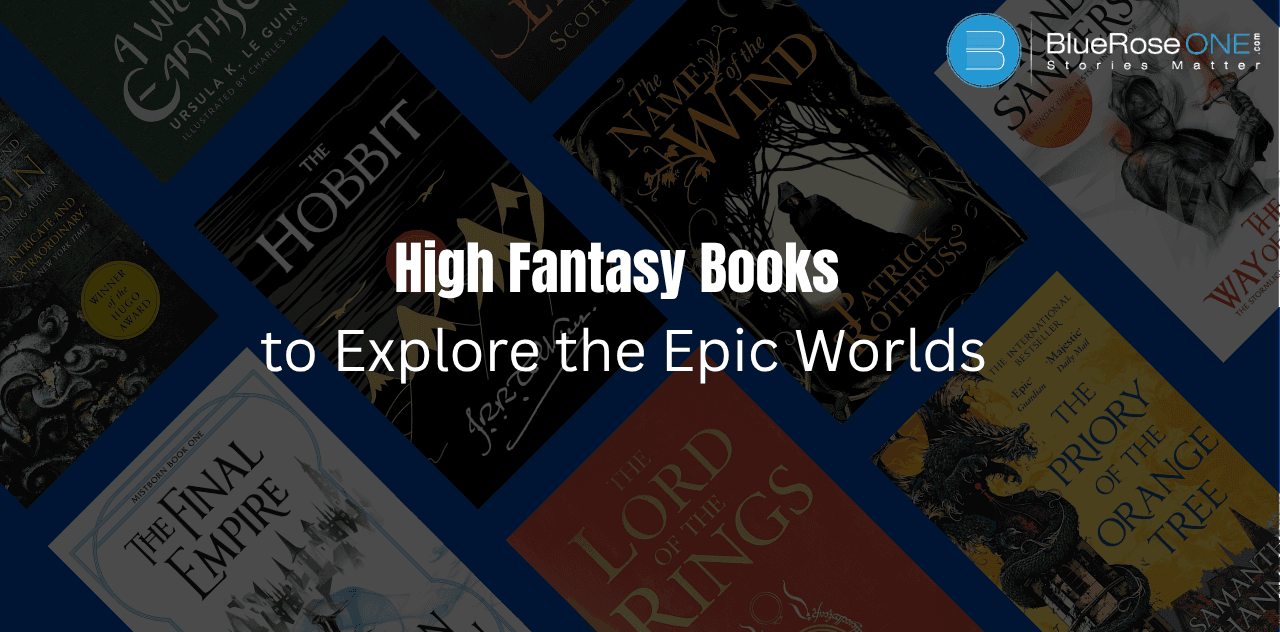
Fantasy is another cornerstone of speculative fiction, characterized by magical systems, supernatural elements, and often, secondary worlds completely detached from our own.
Fantasy stories frequently feature elements like magic, fantastical creatures (dragons, elves, dwarves, etc.), epic quests, ancient prophecies, and clashes between good and evil.
While science fiction leans towards scientific plausibility (even if futuristic), fantasy embraces the inexplicable and magical.
3. Horror
While horror might not always be immediately associated with speculative fiction, a significant portion of the genre falls under this category. Speculative horror utilizes supernatural elements, grotesque creatures, and otherworldly threats to evoke fear, dread, and suspense in readers.
Stories about ghosts, vampires, werewolves, cosmic horrors, and psychological terror often incorporate speculative elements that are not grounded in reality
4. Alternative History
Alternative history explores the “what ifs” of our past. These stories delve into scenarios where a significant historical event unfolded differently, leading to a drastically different present or futurex.
For instance, what if the Roman Empire never fell? What if the Axis powers won World War II? Alternative history stories often meticulously weave real-world historical details with speculative changes, creating intriguing and thought-provoking narratives.
5. Utopian and Dystopian Fiction
Utopian and dystopian fiction explore the concept of ideal and nightmare societies. Utopian stories paint a picture of a perfect world, often characterized by social harmony, advanced technology, and environmental sustainability.
Dystopian fiction, on the other hand, presents a bleak and oppressive society, often plagued by authoritarianism, environmental decay, technological surveillance, or loss of individual freedoms.
These stories frequently serve as social and political commentaries, warning readers about the potential pitfalls of our own society’s trajectory.
6. Magical Realism
Magical realism blends elements of the fantastical with the ordinary, creating a world where magic and reality coexist in a seamless, often unexplained, manner.
Unlike high fantasy, which takes place in a clearly defined magical secondary world, magical realism often sets its stories in our own recognizable world, introducing small doses of magic or supernatural phenomena that are accepted as a natural part of everyday life.
7. Weird Fiction
A subgenre known as “weird fiction” relies on the strange, the mysterious, and the frightening. It frequently incorporates elements that defy easy classification, cosmic horror, and surrealism.
The liminal regions between reality and the unknown are often explored in weird fiction works, which can arouse feelings of fear and anxiety. Prominent writers in this genre include Jeff VanderMeer and H.P. Lovecraft.
Beyond the Genres: The Power of Speculative Everything
While the genres listed above provide a foundational understanding of speculative fiction, the true beauty of the genre lies in its inherent fluidity and its ability to blend and evolve.
Contemporary speculative fiction often pushes boundaries and explores new frontiers, leading to a phenomenon known as “speculative everything.” This approach encourages writers to speculate wildly, challenging assumptions and pushing the limits of imagination across all aspects of their stories.
This means we might see stories that defy easy categorization: a cozy fantasy set in a dystopian future, a science fiction story told through the lens of magical realism, or a horror tale set in an alternative historical timeline.
This willingness to experiment and embrace the unconventional is what keeps speculative fiction vibrant, relevant, and endlessly captivating.
The core strength of speculative fiction lies in its ability to address complex social, political, and philosophical questions in creative and impactful ways. By placing characters in extraordinary circumstances and exploring possibilities that exist beyond our current reality, speculative fiction allows writers and readers to engage with critical issues on a deeper level.
It encourages us to question our assumptions about the world, to imagine alternative futures, and to explore the boundless potential of human ingenuity (and its pitfalls).
Speculative Fiction Books Coming in 2026: A Sneak Peek
As we look ahead to 2026, the speculative fiction landscape continues to buzz with exciting new releases and eagerly anticipated sequels. Here’s a glimpse into some of the speculative fiction books generating early excitement and promising to captivate readers in the coming year:
Anticipated Science Fiction in 2026:
- “The Stardust Grail” by Becky Chambers: The acclaimed author of the “Wayfarers” series is rumored to be returning with a new stand-alone science fiction novel in 2026. Details are scarce, but Chambers’ readers can likely expect another blend of heartwarming characters, intricate world-building, and thought-provoking philosophical explorations.
- A New Novel in the “Dune” Universe: Following the cinematic success of Denis Villeneuve’s “Dune” adaptations, it’s highly probable that new additions to Frank Herbert’s epic space opera universe will emerge. While specifics aren’t confirmed, the immense popularity of the franchise suggests a strong possibility for expanded lore in 2026.
- “Project Hail Mary” Sequel (Rumored): Andy Weir’s “Project Hail Mary” was a runaway sci-fi hit. While a direct sequel hasn’t been officially announced, the open-ended nature of the conclusion and strong reader demand have fueled speculation that a follow-up might arrive in 2026, or perhaps a cinematic adaptation will keep the excitement alive.
Anticipated Fantasy in 2026:
- “The Winds of Winter” by George R.R. Martin: Will 2026 finally be the year? The highly anticipated sixth installment in the “A Song of Ice and Fire” series has been in the works for years, and fans worldwide are eagerly awaiting its release. While Martin hasn’t provided a definitive publication date, hope remains eternal that we might finally revisit Westeros in 2026.
- A New Novel by N.K. Jemisin: The groundbreaking author of the “Broken Earth” trilogy, N.K. Jemisin, is known for her powerful and innovative fantasy. It’s highly probable that Jemisin will have a new project slated for 2026, whether a standalone novel or the beginning of a new series. Her work consistently pushes the boundaries of the genre, so any new release is sure to be highly anticipated.
- “Stormlight Archive” Book 6 (Potentially): Brandon Sanderson is known for his prolific output, and while he typically follows a rigorous schedule, the sheer volume of his “Cosmere” projects makes predicting exact release dates challenging. However, given the pace of previous releases, a sixth installment in his massive “Stormlight Archive” series is a possibility for 2026, or perhaps more likely, in the years immediately following.
Other Anticipated Speculative Works:
- “The Glass Hotel” Follow-up by Emily St. John Mandel: Mandel’s evocative and atmospheric novels often incorporate speculative elements, as seen in “Station Eleven” and “The Glass Hotel.” A new work from Mandel in 2026 is highly likely and sure to generate excitement among readers who appreciate literary speculative fiction.
- A New Novel by Colson Whitehead: Whitehead’s Pulitzer Prize-winning novels often blend historical realism with imaginative elements, as seen in “The Underground Railroad” and “The Nickel Boys.” A new novel from Whitehead in 2026 could easily fall within the broader scope of speculative fiction, exploring social and historical themes through a fresh lens.
- “Crossroads” Sequel by Jonathan Franzen: While primarily known for his contemporary literary fiction, Franzen’s latest novel, “Crossroads,” is the first in a planned trilogy. The second installment is a possibility for 2026, potentially continuing his sprawling family saga and delving deeper into the complexities of human relationships and social change.
Keep in mind that this is a speculative look ahead, and official announcements and publishing dates can always change.
However, these anticipated releases highlight the vibrant and ever-evolving nature of speculative fiction, ensuring that readers have plenty of imaginative worlds to explore in 2026 and beyond.
How to Get Started with Speculative Fiction
If you’re new to speculative fiction and feeling overwhelmed by the sheer diversity of genres and titles, here are some tips to help you embark on your reading journey:
1. Identify Your Interests
Start by considering what kinds of stories you typically enjoy. Do you love epic quests and magical systems? Explore the fantasy genre. Are you fascinated by technology and space travel? Give science fiction a try.
Do you enjoy eerie mysteries and supernatural thrills? Check out the horror and weird fiction categories. Pinpointing your existing preferences will help you narrow down your search.
2. Seek Recommendations
Don’t be afraid to ask for recommendations from friends, librarians, booksellers, or online communities. Online platforms like Goodreads and Reddit’s r/books and r/fantasy are great resources for discovering popular titles, reading reviews, and connecting with fellow speculative fiction enthusiasts.
3. Start with Classics or Prize Winners
Beginning with iconic classics or award-winning novels can be a great way to introduce yourself to the genre’s key tropes and influential works.
Consider titles by authors like Ursula K. Le Guin, Isaac Asimov, Ursula Le Guin, Margaret Atwood, Philip K. Dick, and Octavia Butler. Checking out winners of prestigious awards like the Hugo and Nebula Awards can also point you towards high-quality and widely acclaimed speculative fiction.
4. Explore Anthologies and Short Stories
If you’re unsure about committing to a full-length novel, try reading anthologies or short story collections. This allows you to sample the work of multiple authors and explore different subgenres without a major time investment.
5. Follow Your Curiosity
Don’t be afraid to step outside your comfort zone and try something new. The beauty of speculative fiction is its endless variety, so don’t hesitate to experiment and explore genres or authors that you might not typically gravitate towards.
Ready to start writing your own speculative fiction masterpiece? Check out our guides on how to publish a book in India, finding the best publishers in India, and mastering manuscript formatting. For even more insights, explore our blog articles on creative writing tips, finding your writing voice, and the art of storytelling.
Conclusion
Speculative fiction is a powerful and evocative genre that invites us to imagine, explore, and question. It’s a lens through which we can examine our present, imagine our future, and grapple with timeless questions about humanity, technology, and the nature of reality.
From the epic scales of space opera and high fantasy to the intimate explorations of alternative history and magical realism, speculative fiction offers a boundless landscape for imagination and creativity.
Frequently asked questions
Q1: What’s the difference between speculative fiction and science fiction?
A: Speculative fiction is an umbrella term that includes science fiction, fantasy, horror, alternative history, and other genres that deal with imaginative concepts. Science fiction is a specific subgenre within speculative fiction that focuses on scientific and technological advancements and their impact on society.
Q2: What are some famous examples of speculative fiction books?
A: There are countless examples, but some iconic works include “Dune” by Frank Herbert (sci-fi), “The Lord of the Rings” by J.R.R. Tolkien (fantasy), “1984” by George Orwell (dystopian sci-fi), “The Handmaid’s Tale” by Margaret Atwood (dystopian speculative fiction), “Dracula” by Bram Stoker (horror), and “The Man in the High Castle” by Philip K. Dick (alternative history).
Q3: Is speculative fiction only for adults?
A: Not at all! While many speculative fiction titles are targeted towards adult readers, there’s a thriving market for young adult (YA) and middle grade speculative fiction. Many beloved YA series, such as “Harry Potter,” “The Hunger Games,” and “Percy Jackson,” incorporate elements of speculative fiction.
Q4: Are there different styles within speculative fiction?
A: Yes, speculative fiction encompasses a wide range of writing styles, from epic and philosophical space operas to gritty and suspenseful horror tales, from whimsical and magical fantasies to thought-provoking and literary alternative histories. Each author brings their unique voice and perspective to the genre, leading to a rich diversity of styles and approaches.
Q5: How do I know if a book is speculative fiction?
A: Look for elements that don’t exist in our current reality, such as advanced technology, magic, supernatural beings, parallel universes, magical systems, futuristic societies, or significant departures from historical facts. If a story hinges on imaginative and futuristic concepts, it’s likely speculative fiction.
0 Comments