
Famous Spanish Authors: 15 Writers You Must Read

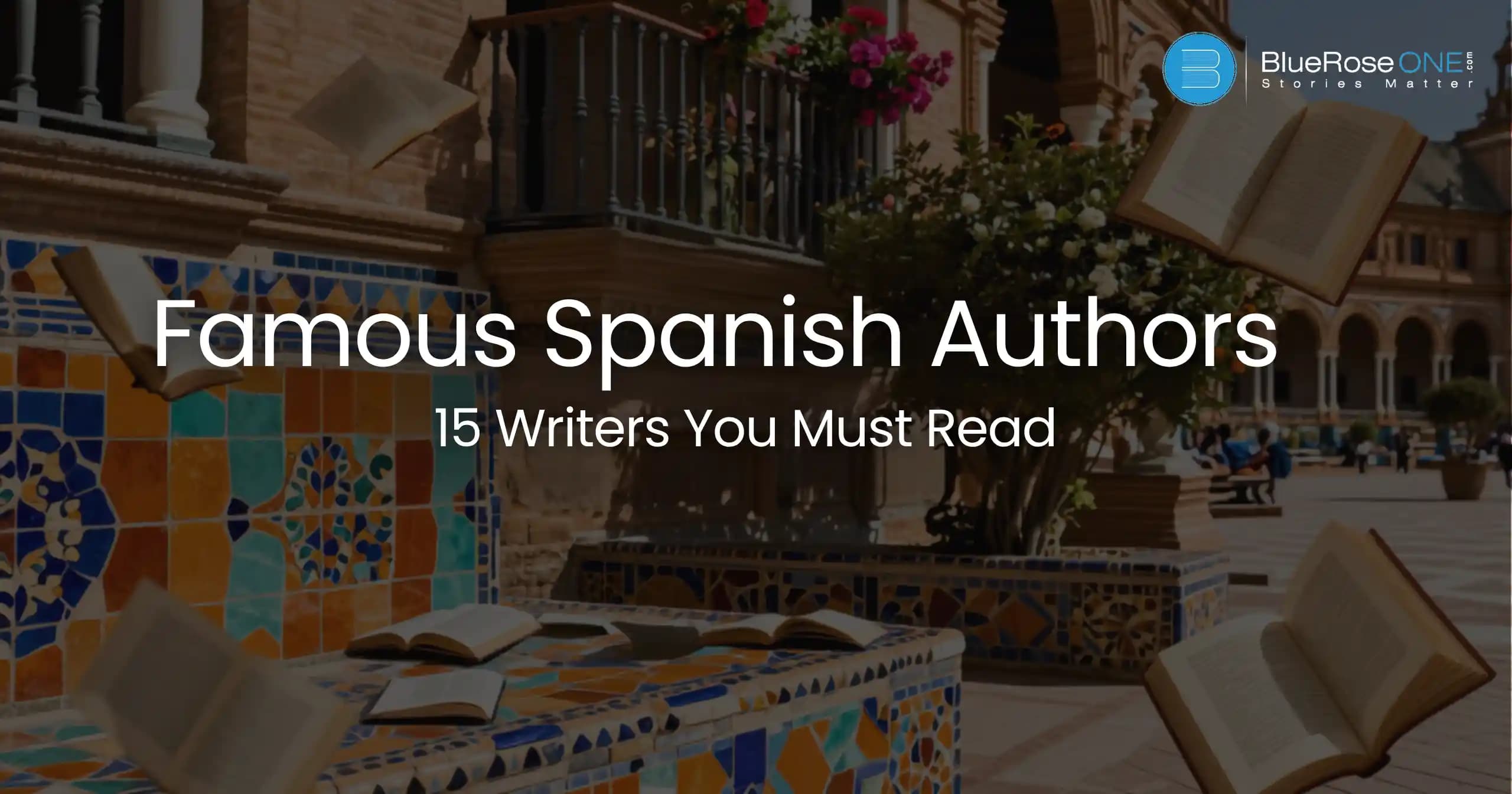
Spain boasts one of the most vibrant, influential, and rich literary traditions in human history. From Golden Age playwrights and visionary poets to master storytellers of contemporary fiction, Spanish literature has continuously redefined how stories are told. If you are looking to expand your reading horizons, diving into works by famous Spanish authors is one of the most rewarding journeys you can take.
Whether you crave sweeping historical sagas, magical realism, poignant poetry, or psychological thrillers, these writers offer an unforgettable gateway into the human soul.
You may also like: List of 10 Most Famous Female Writers of all Time
You may also read: How to Write Adventure Fiction: The Ultimate Step-by-Step Guide
15 Famous Spanish Authors Who Shaped World Literature
Below is a curated selection of 15 essential authors from Spain whose works have left an indelible mark on world literature.
1. Miguel de Cervantes (1547–1616)
No list of classical writers is complete without Miguel de Cervantes. Widely regarded as the grandfather of modern Western fiction, Cervantes created Don Quixote, a masterpiece universally recognized as the first modern novel. His satire of chivalric romances captured the tragicomic balance between idealism and reality.
- Key Work: Don Quixote (El ingenioso hidalgo Don Quijote de la Mancha)
- Why Read Him: To understand the origins of character-driven fiction, unreliable narrators, and literary satire.
- Literary Impact: Cited by the Encyclopædia Britannica as a cornerstone of world fiction, Cervantes influenced countless generations of storytellers, including Charles Dickens, Gustave Flaubert, and Fyodor Dostoevsky.
2. Federico García Lorca (1898–1936)
Federico García Lorca remains one of Spain’s most celebrated poets and dramatists. A prominent member of the Generation of ’27, Lorca fused Andalusian folklore, flamenco motifs, and surrealism into hauntingly beautiful verse and tragic plays. His tragically short life, cut short during the Spanish Civil War, only amplified the enduring power of his voice.
- Key Works: Gypsy Ballads (Romancero gitano), Blood Wedding (Bodas de sangre)
- Why Read Him: His imagery is fiercely evocative, blending passion, mortality, and nature into lyrical masterworks.
3. Carlos Ruiz Zafón (1964–2020)
Carlos Ruiz Zafón brought gothic mystery and bibliophilic enchantment into the 21st century. As one of the most widely read famous Spanish novelists globally, Zafón captivated millions with his Cemetery of Forgotten Books series, beginning with the international bestseller The Shadow of the Wind.
- Key Work: The Shadow of the Wind (El sombra del viento)
- Why Read Him: His breathtaking descriptions of a shadowy, mysterious Barcelona and his homage to the power of physical books make his work impossible to put down.
- Writing Tip: For authors looking to craft immersive settings like Zafón, explore our guide on world-building strategies for fiction writers.
4. Javier Marías (1951–2022)
Javier Marías was a titan of modern literary fiction, famous for his intricate, philosophical prose and deep explorations of secrets, memory, and betrayal. His novels often feel like slow-burning intellectual thrillers where thought takes center stage over pure action.
- Key Works: A Heart So White (Corazón tan blanco), Your Face Tomorrow (Tu rostro mañana)
- Why Read Him: Marías excels at unpacking human psychology, turning minor moments into profound meditations on truth and identity.
You may also like: Metonymy Definition: Meaning, Examples & Easy Guide
You may also read: Thanksgiving Words List: 250+ Festive Terms & Phrases
5. Arturo Pérez-Reverte (1951–Present)
A former war correspondent turned best-selling novelist, Arturo Pérez-Reverte writes thrilling historical fiction filled with sharp swordplay, political intrigue, and maritime adventure. He is a member of the prestigious Real Academia Española, reflecting his masterful command of the Spanish language.
- Key Works: The Club Dumas (El club Dumas), Captain Alatriste (El capitán Alatriste)
- Why Read Him: His works combine meticulous historical detail with fast-paced storytelling and dark cynicism.
6. Carmen Laforet (1921–2004)
Carmen Laforet startled Spain’s literary establishment in 1945 when, at the age of 23, she received the inaugural Premio Nadal for her existential novel Nada. Writing in the bleak aftermath of the Spanish Civil War, Laforet gave voice to a disillusioned youth grappling with economic depression and social persecution.
- Key Work: Nada
- Why Read Her: Nada offers an unsparing, poignant look at existential angst and youth survival in post-war Barcelona.
7. Benito Pérez Galdós (1843–1920)
Often referred to as the Spanish equivalent of Charles Dickens or Honoré de Balzac, Benito Pérez Galdós was a master of 19th-century realism. His novels offer a panoramic view of 19th-century Madrid, examining class struggle, religious hypocrisy, and societal transformation.
- Key Work: Fortunata and Jacinta (Fortunata y Jacinta)
- Why Read Him: Galdós created some of the richest, most complex characters in European realist literature.
8. Rosalía de Castro (1837–1885)
Rosalía de Castro was a pioneer of modern Spanish poetry and a key figure in the Galician Rexurdimento (Renaissance). Writing in both Galician and Spanish, her poetry deeply expressed saudade, a profound, melancholy longing for home, lost love, and spiritual belonging.
- Key Works: Galician Songs (Cantares gallegos), On the Banks of the Sar (En las orillas del Sar)
- Why Read Her: Her verse influenced generations of poets, bridging romanticism with modern intimacy.
- Aspiring Poets: If her lyricism inspires you, check out our breakdown on how to structure and publish a poetry collection.
9. Miguel de Unamuno (1864–1936)
A leading voice of the Generation of ’98, Miguel de Unamuno was a novelist, essayist, and philosopher who wrestled with themes of faith, mortality, and existential dread. He pioneered the concept of the nivola, a novel stripped of traditional descriptive padding to focus strictly on psychological and existential conflict.
- Key Works: Mist (Niebla), San Manuel Bueno, Martír
- Why Read Him: Unamuno challenges readers to reflect on selfhood, belief, and what it truly means to exist.
10. Ana María Matute (1925–2014)
Ana María Matute was one of the most celebrated female post-war writers in Spain. Known for her lyrical prose, fairy-tale motifs, and acute sensitivity toward childhood innocence lost to adult violence, Matute won the prestigious Miguel de Cervantes Prize in 2010.
- Key Works: School of the Sun (Primera memoria), Forgotten King Gudú (Olvidado rey Gudú)
- Why Read Her: Her blend of realistic post-war harshness with magical, lyrical realism creates an unforgettable reading experience.
You may also like: What Are the 48 Laws of Power? All Laws Explained
You may also read: Never After Series in Order: Complete List Guide
11. Camilo José Cela (1916–2002)
Winner of the 1989 Nobel Prize in Literature, Camilo José Cela was a provocative literary pioneer who developed tremendismo—a gritty narrative style emphasizing dark, harsh realities to mirror post-civil war trauma.
- Key Works: The Hive (La colmena), The Family of Pascual Duarte (La familia de Pascual Duarte)
- Why Read Him: Cela’s sharp social realism provides an uncensored window into mid-20th-century Spanish society.
12. Rosa Montero (1951–Present)
Rosa Montero is an acclaimed contemporary author and journalist known for her versatile repertoire spanning futuristic science fiction, intimate memoirs, and poignant psychological dramas. Her storytelling is deeply compassionate and intellectually energetic.
- Key Works: The Madwoman of the House (La loca de la casa), Tears in Rain (Lágrimas en la lluvia)
- Why Read Her: Montero effortlessly bridges genre boundaries while delivering insightful observations on human vulnerability.
- Inspiration for Writers: If you want to develop strong character arcs like Montero, explore our tutorial on character development techniques for authors.
13. María Dueñas (1964–Present)
An academic turned literary superstar, María Dueñas made an extraordinary debut with The Time in Between, an epic tale of fashion, espionage, and resilience set against the backdrop of WWII and the Spanish Civil War.
- Key Work: The Time in Between (El tiempo entre costuras)
- Why Read Her: Her rich historical detail and cinematic storytelling make her books a joy for fans of immersive historical fiction.
14. Lope de Vega (1562–1635)
Known as the “Phoenix of Wits,” Lope de Vega was one of the most prolific playwrights in western literary history, credited with writing hundreds of plays during the Spanish Golden Age. He revolutionized Spanish theater by blending comedy and tragedy.
- Key Works: Fuenteovejuna, The Dog in the Manger (El perro del hortelano)
- Why Read Him: His dramatic timing, witty dialogue, and themes of honor and rebellion remain remarkably fresh today.
You may also read: Famous Japanese Books You Must Read Before You Die
You may also like: How to Make an MLA Header: Guidelines & Examples
15. Almudena Grandes (1960–2021)
Almudena Grandes was one of the most prominent contemporary famous Spanish book authors, dedicated to uncovering hidden stories from Spain’s modern history. Her ambitious series Episodios de una guerra interminably examined post-war anti-Franco resistance with incredible empathy and rigor.
- Key Works: The Frozen Heart (El corazón helado), The Ages of Lulu (Las edades de Lúlu)
- Why Read Her: Her deep affection for her characters and uncompromising historical honesty make her essential reading for modern history buffs.
Notable Famous Spanish Writers
To help you decide where to start your reading journey, here is a breakdown comparing these extraordinary authors across eras and genres:
| Author | Major Era / Movement | Primary Genre | Essential Title |
| Miguel de Cervantes | Spanish Golden Age | Classical Fiction / Satire | Don Quixote |
| Lope de Vega | Spanish Golden Age | Baroque Drama / Playwright | Fuenteovejuna |
| Benito Pérez Galdós | 19th-Century Realism | Realist Fiction | Fortunata and Jacinta |
| Rosalía de Castro | Galician Romanticism | Lyrical Poetry | Galician Songs |
| Federico García Lorca | Generation of ’27 | Surrealist Poetry / Drama | Gypsy Ballads |
| Miguel de Unamuno | Generation of ’98 | Philosophical Fiction | Mist |
| Carmen Laforet | Post-War Literature | Existential Fiction | Nada |
| Camilo José Cela | Post-War Tremendismo | Gritty Realism | The Hive |
| Ana María Matute | 20th-Century Post-War | Lyrical / Dark Realism | School of the Sun |
| Arturo Pérez-Reverte | Contemporary | Historical Thriller | The Club Dumas |
| Javier Marías | Contemporary | Philosophical Fiction | A Heart So White |
| Carlos Ruiz Zafón | Contemporary Gothic | Gothic Mystery | The Shadow of the Wind |
| Rosa Montero | Contemporary | Sci-Fi / Psychological | Tears in Rain |
| María Dueñas | Contemporary | Historical Fiction | The Time in Between |
| Almudena Grandes | Contemporary | Historical / Political | The Frozen Heart |
Final Thoughts
The impact of these authors extends far beyond Spain’s borders. By pioneering structural innovations like metanarrative, existentialism, and magical realism, Spanish writers laid the groundwork for Latin American giants like Gabriel García Márquez and Jorge Luis Borges, as well as modern English novelists worldwide.
Whether you are a seasoned literary enthusiast or a writer searching for fresh inspiration, diving into the works of a famous Spanish writer will enrich your understanding of character, plot, and human emotion.
Pick up one of the recommended titles today and experience the timeless magic of Spanish storytelling!
0 Comments