
Learn How To Craft a Great Book Hook – Guide for Writers
In the vast landscape of literature, where countless books compete for attention, a compelling book hook is the secret weapon that can make your work stand out. A book hook is essentially a concise and captivating statement that grabs a reader’s attention, leaving them eager to delve into the pages of your book. Read: Get along with us on how to improve writing skills by doing these simple things. Crafting an effective book hook involves a delicate blend of art and strategy. In this comprehensive guide, we will unravel the intricacies of creating a book hook that captivates, intrigues, and leaves an indelible mark on your potential readers. Understanding the Essence of a Book Hook: At its core, a book hook is a literary tool with a profound marketing purpose—it serves as the beacon that draws readers into the world of your book. Think of it as the opening act that entices the audience, creating anticipation for the narrative spectacle that follows. The book hook encapsulates the soul of your story, offering readers a glimpse into its emotional landscape, thematic richness, and the promise of an unforgettable journey. In essence, it’s the literary equivalent of a trailer, providing a tantalising preview that beckons readers to explore further. Crafting a compelling book hook involves distilling the essence of your narrative into a succinct, magnetic force, leaving readers eager to unravel the mysteries within. Identifying Your Unique Selling Proposition (USP): Before embarking on the journey of crafting a compelling book hook, authors must engage in a crucial exercise—identifying the Unique Selling Proposition (USP) of their book. The USP is the secret sauce that sets your story apart from the vast literary landscape. What makes your narrative distinctive, unforgettable, or particularly intriguing? It could be a unique plot twist, an unconventional protagonist, or the exploration of a rarely-delved-in theme. Understanding your book’s USP is akin to uncovering its literary DNA, providing the foundational elements that will resonate with your target audience. A book hook anchored in the USP becomes a beacon, signalling to readers that your story offers something fresh, captivating, and unparalleled. It’s the key to unlocking the curiosity of potential readers and inviting them into a narrative world that promises a truly distinctive reading experience. Elements of an Effective Book Hook: Clarity and Conciseness: A successful book hook is a masterclass in clarity and conciseness. In a world inundated with information, brevity becomes a virtue. The challenge lies in distilling the essence of your story into a few impactful words. Avoid the temptation to delve into unnecessary details. Instead, focus on the core elements that make your book special. A clear and concise hook acts as a literary compass, guiding readers towards the heart of your narrative without unnecessary detours. Emotional Resonance: Infusing emotion into your book hook elevates it from a mere introduction to a resonant connection. Readers are drawn to narratives that evoke universal emotions—love, fear, curiosity, and triumph. A hook that taps into these emotional wells becomes a bridge between the author’s words and the reader’s heart. This resonance transforms a casual encounter with your book into a meaningful, memorable experience, creating a lasting impression that extends beyond the initial engagement. Intriguing Questions or Statements: An effective book hook operates as a literary hook, drawing readers in with intriguing questions or bold statements. Pose queries that linger in the reader’s mind, creating a sense of curiosity and anticipation. Craft statements that make readers yearn for answers, prompting them to embark on the journey your book promises. This technique not only engages the reader intellectually but also stirs the innate human desire for discovery, ensuring that your book remains at the forefront of their thoughts. Relevance to the Target Audience: Tailoring your book hook to resonate with the specific desires and interests of your target audience is paramount. Understanding the nuances of your readership allows you to craft a hook that speaks directly to them. Reflect their preferences in the choice of language, themes, or scenarios presented in the hook. When readers perceive a personal connection, they are more likely to view your book as a mirror reflecting their own literary cravings, increasing the likelihood of engagement. Showcasing Conflict or Tension: A compelling book hook introduces an element of conflict or tension, hinting at the challenges or obstacles your characters face. This creates a narrative tension that serves as a magnet for readers. A well-crafted hook that artfully suggests the stakes involved sparks anticipation, compelling readers to seek resolution within the pages of your book. By showcasing conflict, you invite readers into a world where the unfolding drama promises both struggle and triumph, captivating their imagination and motivating them to explore further. You may also like: 7 Top Rated Self-Help Books of all time in 2024 Crafting Your Book Hook Step by Step: Summarising Your Story: Summarising your story is the foundational step in creating a compelling book hook. This involves distilling the essence of your narrative into a concise, impactful statement. This summary should clearly articulate the central theme, conflict, or unique aspect that defines your book. It serves as the core message you want potential readers to grasp—a teaser that sparks curiosity. A well-crafted summary provides a roadmap for the subsequent elements of your book hook, offering a glimpse into the soul of your story. Identify Key Emotions: Understanding the emotional landscape of your story is crucial for connecting with readers. Emotions are the catalysts that draw readers into a narrative, and identifying the primary emotions your story evokes helps shape the tone of your book hook. Whether it’s joy, suspense, heartbreak, or a myriad of feelings, these emotions become the bridge between your narrative and the reader’s experience. Pinpointing these emotional cues allows you to infuse the hook with the right sentiment, creating a resonant connection that encourages readers to delve deeper into your book. Brainstorm Intriguing Elements: The brainstorming phase is about uncovering the gems that make your story stand out. What elements make it unforgettable?…
 Manan Sahni
The Best Ways to Save on Your Self-Publishing Budget
Self-publishing offers authors the freedom to bring their literary creations to life without navigating the traditional publishing landscape. However, for many authors, financial considerations are a significant aspect of the self-publishing journey. In this comprehensive guide, we’ll explore the best ways to save on your self-publishing budget, covering key areas such as cover design, editing, formatting, marketing, and distribution. Read: Who is Jon Fosse? Things to know about Nobel Prize Winner 2023 Cover Design: Affordable Aesthetics Investing in a captivating book cover is non-negotiable, but it doesn’t have to break the bank. Consider these budget-friendly options: DIY Designs: Creating your book cover through do-it-yourself (DIY) methods is an accessible and cost-effective option, especially for those with graphic design skills or the willingness to learn. Platforms like Canva and Adobe Spark offer user-friendly interfaces with pre-designed templates, simplifying the design process. These tools provide a range of customization options, allowing you to choose from various layouts, fonts, and images. While DIY designs may require some time and effort, they provide creative control and can be a satisfying option for authors looking to add a personal touch to their covers. Pre-made Templates: For authors seeking a balance between cost efficiency and professional design, pre-made cover templates are a valuable resource. Numerous online platforms offer a variety of templates at affordable prices. These templates are designed by professionals and cover a range of genres and styles. Authors can choose a template that aligns with their book’s theme and then customise elements such as text, images, and colors. This option saves time compared to creating a cover from scratch and ensures a polished and cohesive design. While not as personalised as a custom design, pre-made templates provide a visually appealing and budget-friendly solution for authors. Freelance Designers: Hiring a freelance designer offers a professional and tailored approach to book cover design. Platforms like Fiverr and Upwork connect authors with skilled designers who provide services at various price points. Freelance designers bring expertise and creativity to the table, working closely with authors to understand their vision and genre requirements. This option is ideal for authors who prioritise a unique and high-quality cover but may not have the design skills themselves. While costs can vary, many freelance designers offer competitive rates, making professional cover design accessible to a wide range of authors. Editing: Professional Polishing on a Budget Editing is a critical step in creating a polished manuscript. Here’s how you can save without compromising quality: Beta Readers: Before seeking the services of a professional editor, engaging beta readers is a valuable step in the writing process. Beta readers are individuals who read your manuscript before it undergoes professional editing. They offer subjective feedback on various aspects such as plot, characters, pacing, and overall appeal. This initial feedback can be instrumental in identifying strengths and weaknesses in your work, giving you insights into areas that may need improvement. Beta readers provide a fresh perspective, helping you gauge the effectiveness of your storytelling and identify blind spots that you, as the author, might have missed. By addressing these aspects with beta reader input, you can potentially reduce the workload for a professional editor, making the editing process more focused and cost-effective. Editing Software: Editing software tools like Grammarly and ProWritingAid serve as valuable companions in the self-editing phase. While they are not substitutes for professional editors, these tools can significantly enhance your manuscript by catching grammatical errors, suggesting improvements in sentence structure, and offering insights into your writing style. They provide real-time feedback, helping you refine your prose and ensure a higher level of clarity and coherence. Integrating these tools into your self-editing process is a cost-effective way to elevate the overall quality of your writing before it reaches a professional editor. This not only streamlines the editing process but also contributes to a more polished manuscript from the outset. Affordable Editing Services: Exploring affordable editing services on platforms like Reedsy or hiring freelancers on Fiverr can be a budget-friendly approach to getting professional editing assistance. Many experienced editors offer their services at discounted rates, especially for basic editing needs. These services often include proofreading, copy editing, and sometimes even developmental editing. While rates may vary, it’s essential to review editors’ profiles, sample work, and client reviews to ensure they align with your specific requirements. Affordable editing services provide an opportunity for authors with budget constraints to access professional editing expertise without compromising on the quality of their final manuscript. You may also like: International Publishing: Expanding Your Reach Beyond Borders Formatting: Streamlining on a Shoestring Formatting your book for different platforms is crucial for a professional look. Save on formatting costs with these strategies: Self-Formatting: Self-formatting is a cost-effective option for authors looking to publish their work independently. Platforms like Kindle Direct Publishing (KDP) provide step-by-step guides and resources to help authors format their manuscripts for digital publication. While it requires time and attention to detail, self-formatting allows authors to retain full control over the layout and appearance of their e-books without incurring additional costs. By following the guidelines provided by these platforms, authors can ensure that their books meet the specifications required for various e-reading devices, contributing to a seamless reading experience for their audience. While it may involve a learning curve, the knowledge gained from self-formatting can be a valuable skill for future projects. Free Formatting Tools: Authors can take advantage of free formatting tools offered by platforms like Reedsy and Draft2Digital. Reedsy’s Book Editor and Draft2Digital’s formatting service are user-friendly tools designed to simplify the formatting process for e-books. These tools often include features that help authors create professional-looking layouts, ensuring that their books are compatible with different e-book platforms. While not as robust as professional formatting services, free tools provide a practical and cost-free solution for authors who want to achieve a polished appearance for their e-books without delving into the intricacies of manual formatting. Utilising these tools can save time and effort while maintaining a high standard of presentation. Templates: Downloading…
 Mansi Chauhan
Self-Publishing your book on Amazon: A Detailed Guide
In the ever-evolving landscape of the publishing industry, self-publishing has become a game-changer, providing authors with the opportunity to bring their literary creations directly to readers. Amazon, with its Kindle Direct Publishing (KDP) platform, has played a pivotal role in democratising publishing. This comprehensive guide is designed to be your go-to resource for navigating the ins and outs of self-publishing on Amazon. Read: How can use ChatGPT & other AI systems to Assist you with Book Marketing. Understanding the Basics of Self-Publishing : What is self-publishing on Amazon? Self-publishing is a revolutionary concept that empowers authors to bring their creative works directly to the audience without traditional publishing intermediaries. Unlike traditional publishing, where authors rely on literary agents and publishing houses, self-publishing allows writers to maintain control over their work throughout the entire publishing process. In this digital age, self-publishing has become a viable and accessible avenue for aspiring and established authors alike. One of the key players in the self-publishing landscape is Amazon, and its Kindle Direct Publishing (KDP) platform has been a game-changer. Amazon KDP provides a user-friendly interface that enables authors to publish and distribute their books globally in both digital and print formats. This democratisation of publishing has opened doors for diverse voices and niche genres that might not have thrived in the traditional publishing model. The Rise of Amazon KDP in the Digital Publishing Era The digital publishing era marked a paradigm shift in the way books are produced, distributed, and consumed. Amazon, already a giant in e-commerce, recognised the potential of the digital book market and launched Kindle Direct Publishing. KDP streamlined the self-publishing process, allowing authors to publish their books as e-books for Kindle devices and apps, reaching a massive global audience. Amazon KDP’s rise has coincided with the surge in e-reader and tablet usage, making digital books more accessible than ever. Authors no longer need to navigate the traditional publishing gatekeepers; they can upload their manuscripts, design their covers, and set their pricing, giving them unprecedented control over their publishing journey. Amazon’s extensive reach and established customer base further propelled KDP into the forefront of the self-publishing revolution. Choosing Amazon for Self-Publishing Authors choosing Amazon for self-publishing benefit from the platform’s unparalleled global reach. Amazon has a massive customer base and a well-established infrastructure for book distribution. This means that authors can potentially reach readers in various corners of the world, exposing their work to a diverse and extensive audience. The Kindle Direct Publishing platform offers a straightforward and efficient publishing process. Authors retain creative control and can publish their works in multiple formats, including e-books and print-on-demand paperbacks. The accessibility and ease of use make Amazon a preferred choice for many authors venturing into self-publishing, creating a democratized publishing landscape where literary success is not solely determined by traditional gatekeepers but by the readers themselves. You may also like: The Rise of Self-Publishing and What it Means for Authors The Self-Publishing Process Creating Your Amazon KDP Account Setting up your KDP (Kindle Direct Publishing) account is the crucial first step in bringing your book to a global audience. Navigate to the KDP website and click on “Sign up” if you don’t have an account. Follow the step-by-step process to enter your personal and banking information. Once your account is set up, you gain access to the KDP dashboard. Navigating the KDP Dashboard The KDP dashboard is your command centre, providing a comprehensive overview of your book’s performance and sales. It displays critical information like sales trends, royalties earned, and customer reviews. Familiarise yourself with the various sections, such as Reports, Kindle eBook Preview, and Promote Your Book, to efficiently manage and track your book’s progress. Uploading Your Manuscript and Cover Use Kindle Create, Amazon’s formatting tool, to ensure your manuscript appears seamless on Kindle devices. Follow the guidelines for formatting, which include considerations for fonts, images, and overall layout. A professionally formatted book enhances the reading experience. Design an eye-catching book cover that reflects the essence of your work. Amazon provides cover templates, or you can hire a graphic designer for a customised touch. Upload both your formatted manuscript and cover through the KDP platform. Setting Rights, Pricing, and Distribution Understanding copyright is crucial. Ensure you have the rights to publish the content. Decide on pricing strategies for your e-book and print-on-demand versions. Consider factors like book length, genre, and market competition. Opt for global distribution to reach readers worldwide. Choose between Amazon’s various distribution channels, including Kindle stores and expanded distribution. Categories, Keywords, and Metadata Optimisation Leverage categories and keywords strategically to enhance your book’s discoverability. Choose categories relevant to your genre and use keywords that potential readers are likely to search for. Optimise your book’s metadata, including the title, subtitle, and book description. A well-crafted description and accurate metadata improve your book’s visibility in search results and category rankings. Enrolling in KDP Select Evaluate the pros and cons of exclusive distribution through KDP Select. Enrolling in KDP Select means your e-book is exclusive to Amazon. While this limits distribution to other platforms, it offers advantages like inclusion in Kindle Unlimited and the Kindle Owners’ Lending Library. Assess whether the benefits align with your publishing goals and target audience. Maximising Benefits Through KDP Select If you decide to enrol in KDP Select, make the most of its benefits. Promote your book during free promotions or Kindle Countdown Deals. Take advantage of Amazon’s promotional tools, such as Kindle Book Review and Kindle Daily Deal, to boost visibility. Keep track of your book’s performance and adjust your marketing strategy accordingly. By comprehensively understanding and implementing each step in the self-publishing process on Amazon, you position your book for success in a competitive market. From the initial setup to strategic marketing decisions, mastering the intricacies of KDP empowers you to reach a global audience and achieve your publishing goals. You may also like: The Importance of Professional Editing in Self-Publishing Refining Your Book Details for Self-Publishing Book Previews and Quality Checks Previewing your book on…

What is Allegory in Literature? Meaning, Definition & Examples of Allegory.
Allegory arises as a captivating and multifaceted mechanism inside the dense tapestry of literature, weaving nuanced levels of meaning underneath the surface story. We go on a quest to unearth the depths of allegory in this lengthy examination, evaluating its meaning, providing a clear definition, and dissecting its application via numerous instances in literature. Read: How to do Character Development: Bringing Your Characters to Life Let us go into the fascinating regions of allegory, peeling back its layers to see how it elevates narrative to an art form. Understanding Allegory: Allegory, a literary device rooted in symbolism, operates as a sophisticated vehicle for conveying profound ideas beneath a seemingly straightforward storyline. At its essence, allegory invites readers to delve beyond the literal events and characters, encouraging them to unearth hidden meanings and connections. To fully appreciate its complexities, we must first grasp the delicate dance between the apparent and the allegorical within this narrative technique. Defining Allegory: At its core, allegory transcends the boundaries of mere storytelling, evolving into a method of communication where every character, event, or setting becomes a vessel for layered meanings. To navigate the labyrinthine world of allegory, a clear definition serves as our guide, unravelling the intricacies that distinguish this literary device from other narrative tools. In essence, allegory is a transformative art form, enriching stories by infusing them with metaphorical depth. You may also like: The Rise of Shakti by Megha Dinesh: Book Review Examples of Allegory in Literature: You may also like: 7 Top Rated Self Help Books of all time in 2024 Allegory in Various Forms: As we traverse the expansive realms of literature, the concept of allegory emerges as a versatile and dynamic narrative device. Its ability to seamlessly integrate into various forms, each with its own unique nuances, illuminates the richness it brings to storytelling. In this exploration, we delve into the myriad forms of allegory, unravelling its presence in fables, parables, and extended metaphors. This journey unveils the artistry of allegory, demonstrating its transformative potential across diverse literary landscapes. Fables: Fables, renowned for their brevity and moral teachings, stand as a canvas where allegory paints vivid tales. These concise narratives, often featuring anthropomorphic characters, serve as vessels for profound truths and societal commentary. A classic example is Aesop’s Fable of “The Tortoise and the Hare,” where the slow and steady triumph over the swift but overconfident—a timeless allegory exploring the virtues of perseverance and humility. Parables: Parables, entrenched in religious and philosophical traditions, harness the allegorical power to convey moral and spiritual insights. These brief narratives, often attributed to religious figures, unfold layers of meaning that transcend the immediate storyline. In the biblical tradition, Jesus’ parable of “The Prodigal Son” functions as a powerful allegory, exploring themes of forgiveness and redemption within a familial context. Extended Metaphors: Within the expansive realm of allegory, extended metaphors emerge as a profound and intricate form of expression. These allegorical journeys unfold across the tapestry of an entire work, with every element contributing to the overarching metaphor. George Orwell’s “Animal Farm” serves as a stellar example, where farm animals symbolise political ideologies and societal dynamics. This extended metaphor transforms the seemingly simple farm into a complex allegorical landscape, inviting readers to decipher the layers of meaning. Allegory’s Fluid Integration: What distinguishes allegory is its fluidity, seamlessly integrating into various literary genres and structures. Whether woven into the fabric of a short fable or sprawling across the chapters of an epic novel, allegory adapts to the unique demands of each form. This adaptability makes it a dynamic tool for storytellers, allowing them to infuse depth into narratives irrespective of genre constraints. Influence on Genres: Allegory’s influence extends across a spectrum of literary genres, shaping and enriching each with its own symbolic resonance. In fantasy literature, C.S. Lewis’ “The Chronicles of Narnia” uses allegory to explore profound spiritual themes within a magical realm. In science fiction, Ursula K. Le Guin’s “The Left Hand of Darkness” employs allegory to delve into gender and societal constructs on an alien planet. This genre-spanning impact showcases the universality of allegory in elevating storytelling across diverse literary landscapes. Challenges and Rewards for Writers: While allegory offers a dynamic tool for storytelling, its nuanced application presents both challenges and rewards for writers. Crafting an allegory requires a delicate balance between subtlety and clarity, inviting readers to interpret while ensuring the narrative remains accessible. Writers navigating the realm of allegory must master the art of symbolism, creating a tapestry of interconnected meanings that enrich the reader’s experience. Read: How to Overcome Writer’s Block: 10 Proven Ways to Unlock Your Creativity Our journey through the labyrinth of allegory reveals its transformative power within literature. Defined by its ability to infuse narratives with hidden meanings, allegory transcends epochs, inviting readers to engage in a deeper exploration of storytelling. As we conclude this exploration, allegory stands as a testament to the enduring allure of literature—a timeless device that continues to captivate minds and hearts, transcending the boundaries of time and culture.
10 Tips for Mastering the Art of Dialogue in Writing
Effective dialogue is the lifeblood of any engaging piece of writing, be it a novel, a short story, or a screenplay. It’s the vehicle through which characters find their voices, stories come to life, and readers or viewers become immersed in the narrative. In the hands of a skilled writer, dialogue has the power to captivate, evoke emotion, and drive the plot forward. Many readers can recall their favourite literary or cinematic moments, not by long-winded descriptions or elaborate settings, but by the words that were spoken. These dialogues resonate because they were carefully crafted to reveal character, convey meaning, and stir emotions. Whether you’re an aspiring writer or a seasoned author looking to refine your craft, understanding the art of dialogue is essential. It’s not just about the words characters speak; it’s about the subtext, the unsaid, and the emotions that lie beneath the surface. In this blog, we will delve into ten invaluable tips that can help you master the art of writing compelling and authentic dialogue. Read: How to Overcome Writer’s Block: 10 Proven Ways to Unlock Your Creativity To write effective dialogue is to become a playwright, a psychologist, and a storyteller, all rolled into one. It’s about understanding your characters so deeply that their words become an extension of their very being. It’s about listening to the rhythms and nuances of real conversations, ensuring your dialogue feels genuine and relatable. The power of well-crafted dialogue cannot be overstated. It’s the difference between a story that falls flat and one that comes alive. These ten tips will serve as your guide, offering insights into character development, pacing, subtext, and more. With practice and patience, you’ll develop the skills to breathe life into your characters and stories, creating a connection with your readers that will keep them turning the pages or glued to the screen. So, whether you’re a novice wordsmith or a seasoned scribe looking to fine-tune your craft, let’s embark on a journey to uncover the secrets of mastering the art of dialogue in writing. Get ready to make your characters not just speak but come alive on the page. Understand Your Characters Eavesdrop and observe Show, don’t tell. Use subtext. Keep it concise. Pacing and Rhythm Use dialogue tags sparingly. Dialect and Accents Edit and revise Dialogue as Plot Driver 1. Understand Your Characters Characters are the heart and soul of any story, and their dialogue should be a direct reflection of who they are. To write compelling dialogue, you need to intimately know your characters. This includes their backgrounds, beliefs, quirks, motivations, and more. For example, consider the character of Sherlock Holmes in Sir Arthur Conan Doyle’s stories. His dialogue is marked by its logical precision, attention to detail, and occasional arrogance. This dialogue aligns with his character as a brilliant and analytical detective. Conversely, Dr. John Watson’s dialogue reflects his compassionate and steady nature. By understanding your characters at this level, you can ensure their dialogue is authentic and true to their unique identities. You may also like: How to Make Book Design More Appealing to the Reader 2. Eavesdrop and observe Writers are, by nature, keen observers of the world. To craft convincing dialogue, it’s crucial to pay attention to real conversations and interactions around you. Eavesdropping discreetly on people’s discussions in various settings, from coffee shops to public transportation, can provide invaluable insights into how people speak, gesture, and respond to one another. For instance, you might overhear a conversation at a bookstore where a customer passionately recommends a novel to a fellow reader. This genuine enthusiasm and persuasive tone can be integrated into a character’s dialogue when they are discussing their favourite book. The authenticity you gain from such observations enriches your writing and makes the dialogue relatable. 3. Show, don’t tell. One of the cardinal rules of writing applies to dialogue as well: show, don’t tell. This means that instead of directly stating a character’s emotions or intentions, you should use their words and actions to convey these elements. For example, in a story about a character dealing with grief, rather than having them say, “I’m sad,” you can illustrate their sadness through their behavior. They might avoid eye contact, speak in a subdued tone, or lose interest in activities they once enjoyed. By showing these manifestations of sadness, you allow readers to empathise with and connect with the character on a deeper level. 4. Use subtext. Subtext is the layer of unspoken meaning beneath a character’s spoken words. It adds depth and complexity to dialogue by implying thoughts, emotions, or intentions that are not explicitly expressed. Subtext can create tension, intrigue, and ambiguity. Imagine a scene in which two characters, Alice and Bob, are discussing a recent breakup. Alice says, “I hope you find happiness.” On the surface, this may seem like a kind sentiment, but the subtext might convey her lingering bitterness and disappointment in a more profound way. This unspoken tension between the characters adds depth to their interaction and intrigues the reader. You may also like: Never Say Goodbye a Book By Hilary Green 5. Keep it concise. Concise dialogue is typically more effective in conveying meaning and maintaining reader engagement. Real-life conversations often involve succinct and focused statements. Unless a character’s personality or the context of a scene warrant verbosity, it’s advisable to keep dialogue concise. For instance, if a character is delivering a critical piece of information to their team during a high-stakes mission, they wouldn’t provide an extensive backstory or use overly complex language. They’d deliver the information succinctly, emphasising its urgency and importance. This concise dialogue reflects the fast-paced nature of the situation and keeps readers engaged in the unfolding action. 6. Pacing and Rhythm Pacing and rhythm in dialogue are essential for controlling the flow and mood of your narrative. By varying the tempo of your character interactions, you can effectively convey tension, emotion, and character development. For example, in a high-stakes action scene, rapid-fire dialogue and short, urgent sentences can create a…
How Much Should My Book Cost? 7 Tips for Pricing Your Book
Setting the optimal price for your book is a pivotal component of the publishing journey. Navigating the delicate balance between recuperating costs, ensuring profitability, and resonating with your intended readership can be a formidable task. This comprehensive guide aims to demystify the intricacies of book pricing, offering insights into the factors that shape these decisions and providing actionable tips to empower authors to make well-informed choices. Understanding the costs Embarking on the journey of pricing your book necessitates a comprehensive understanding of the associated costs. Delving into the nuances of expenses, including printing, distribution, and other production-related outlays, is paramount. By unravelling the layers of these intricacies, authors can gain clarity on how to establish a price point that not only covers costs but also ensures a viable level of profitability. Factors Influencing Book Pricing Numerous variables exert influence on the pricing of a book, each playing a distinctive role in shaping the overall strategy. Genre, format, and target audience stand out as key determinants, and we’ll dissect each of these factors meticulously. By delving into the specifics of how genre dynamics, format choices, and the pulse of your readership intersect, authors can develop a nuanced approach to their pricing strategy. Genre Dynamics The genre in which your book resides significantly impacts its perceived value in the market. Genres carry distinct expectations, and readers often associate certain price ranges with specific genres. Understanding these genre dynamics empowers authors to position their work competitively while aligning with reader expectations. Format Choices The format in which a book is presented plays a pivotal role in shaping its perceived value. From paperback to hardcover, e-books to audiobooks, each format brings its own unique set of considerations. We’ll explore how the choices authors make regarding the presentation of their work influence pricing decisions and reader preferences. Target Audience Considerations Knowing your audience is fundamental to determining an effective pricing strategy. Different demographics may respond differently to varying price points. By tailoring your approach based on the characteristics and preferences of your target audience, you can strike a harmonious balance between affordability and perceived value. 7 Tips for Pricing Your Book: 1. Know Your Market: Understanding your target market is foundational to effective book pricing. Conduct thorough market research to discern the pricing norms within your genre. Analyse competitor prices and identify the range that aligns with reader expectations. By having a clear understanding of your market, you can strategically position your book for optimal visibility and appeal. 2. Consider Production Costs: Balancing reader affordability with covering production costs is a delicate art. Calculate the expenses associated with printing, distribution, and other production elements. Establishing a reasonable profit margin ensures sustainability. This tip guides authors to make informed decisions that not only benefit readers but also contribute to the overall success of the book. 3. Evaluate Your Book’s Unique Selling Proposition (USP): Beyond tangible costs, your book’s unique value proposition influences its perceived worth. Explore what sets your content apart—whether it’s groundbreaking insights, a distinctive writing style, or niche subject matter. Understanding your book’s USP empowers you to justify and optimise its pricing. 4. Analyse genre trends: Different genres carry distinct expectations when it comes to pricing. Dive into genre-specific pricing trends to align your book with market expectations. Recognise where your book fits within these trends to competitively position it while providing value to readers. 5. Factor in Book Length: The length of your book, whether a concise novella or an extensive saga, impacts pricing considerations. Offer guidelines based on word count and page numbers. This ensures that the pricing reflects the perceived value of the content, maintaining fairness for both the author and the reader. 6. Consider Your Author Status: First-time authors and established writers may approach pricing differently. Discuss strategies tailored to each scenario. For debut authors, pricing might involve gaining recognition, while established authors may leverage their reputation to command different pricing strategies. This tip recognises the diverse landscape authors navigate based on their standing in the literary world. 7. Leverage Discounts and Promotions: Explore the strategic use of discounts and promotional pricing to stimulate sales and expand your readership. Understand how these marketing tools can impact both short-term and long-term book success. Leveraging discounts and promotions is a dynamic approach that can contribute to increased visibility, reader engagement, and overall book sales. How do you decide the price of a book? Setting the right price for your book involves a nuanced understanding of various factors. Begin with a comprehensive analysis of production costs, including printing, distribution, and other associated expenses. Simultaneously, delve into market research to grasp the pricing landscape within your genre. Identify the unique selling points of your book—what sets it apart from others—and consider how these elements contribute to its perceived value. Striking a balance between covering costs, meeting market expectations, and aligning with your book’s unique value proposition is crucial for making informed pricing decisions. How much should I charge for a 300-page book? Determining the price for a 300-page book requires a strategic approach. Consider production costs, ensuring that the pricing covers expenses while remaining attractive to readers. Evaluate the genre-specific trends for books of similar length to position yours competitively. Additionally, factor in the unique elements of your content and your author status, as these contribute to the overall perceived value of the book. By carefully navigating these considerations, you can find the optimal price point for your 300-page masterpiece, offering readers value while maintaining profitability. How much should I charge for my first novel? For debut authors, pricing the first novel involves a delicate balance. Recognise that your primary goal may be gaining recognition and building an audience. Consider pricing strategies that align with your status as a new author, such as offering introductory discounts or promotions. Emphasise the unique qualities of your novel, and aim for a price that communicates value to readers while encouraging them to take a chance on a new voice in the literary landscape. This strategic approach can help debut authors find the right…
How to Write a Thesis: A Comprehensive Guide
Writing a thesis is a monumental task that many students and researchers face in their academic journey. It’s a rite of passage that demands dedication, research, and well-structured writing. Whether you’re a graduate student working on your master’s thesis or a doctoral candidate preparing a dissertation, this comprehensive guide will take you through the essential steps and provide you with tricks to ensure your thesis is a success. Section 1: Getting Started Starting your thesis can be a daunting but crucial step in your academic journey. Here are some key steps to kickstart your thesis-writing process: Choose your topic: Selecting a topic is the first and most vital step in writing a thesis. Opt for a subject that genuinely piques your interest. Your passion for the topic will provide the motivation and resilience needed throughout the often lengthy and demanding research and writing process. Research extensively: Once you’ve chosen your topic, dive into existing literature to gain a thorough understanding of it. This step is critical for identifying gaps or areas where your thesis can make a valuable contribution. A comprehensive understanding of the existing body of work is essential for meaningful research. Develop a research question: Formulating a clear and specific research question is the cornerstone of your thesis. This question will guide your research and provide focus. It should be well-defined, relevant, and designed to address an issue or explore a particular aspect of your chosen topic. Create a thesis timeline: Establishing a timeline with defined milestones is crucial for effective thesis planning. This timeline should encompass all phases of your thesis, from initial research to final writing and editing. Setting achievable goals and deadlines will keep you on track and help you manage your time effectively. Select your advisor: Choosing the right advisor or mentor is a pivotal decision. Your advisor will provide guidance, support, and valuable feedback throughout your thesis journey. Look for someone with expertise in your field with whom you can effectively collaborate. You may also like: Fatal Flaw: Definition, Types, Examples and More Crafting a good thesis is a meticulous process that necessitates careful planning and execution. Here are some tips to help you write a compelling and well-structured thesis: Clear and concise statement: Your thesis statement serves as the foundation of your work. It should be a clear, concise, and arguable declaration of your research’s central point. Every element of your thesis should relate to or support this statement, making it a vital aspect of your work. Organised structure: Structuring your thesis with clear chapters or sections, each focused on a specific aspect of your research, is essential. Use well-defined headings and subheadings for clarity and ease of navigation, helping your reader follow your arguments and findings. Literature review: A comprehensive literature review is crucial to establishing the context for your research. It demonstrates your awareness of existing scholarship and helps identify gaps in the field where your work can contribute. Your literature review should be well-structured and synthesise key findings from relevant sources. Original contribution: Highlight how your research makes an original and meaningful contribution to your field. Emphasise the novel aspects of your work, whether it’s new data, fresh insights, or innovative methodologies. Clearly articulating your research’s unique value is essential. Methods and data: Describe your research methods and data collection processes thoroughly. Ensure that your methods are well-suited to address your research question. Accurate data presentation is critical, as it forms the basis for your analysis and findings. Analysis and interpretation: In this section, delve into a comprehensive analysis of your data. Discuss the implications of your findings and how they relate to your research question and thesis statement. Your analysis should be insightful and clearly presented. Citations and references: Properly cite all sources you use in your thesis and create a well-structured reference list. Adhering to citation styles consistently is vital to maintaining academic integrity. Proofread and edit: Before finalising your thesis, dedicate time to meticulous proofreading. Eliminate grammatical errors and typos, and ensure clarity in your writing. Consider engaging a professional editor for a comprehensive review to enhance the overall quality of your work. Section 2: Crafting Your Thesis What are the three parts of a thesis statement? A thesis statement typically consists of three parts: Introduction: This section provides an overview of the topic and presents the research question or problem. Body: The body of the thesis contains the main arguments, evidence, and analysis that support the thesis statement. Conclusion: The conclusion summarises the key findings, their implications, and their relevance to the research question. You may also read: The 7 Best Fantasy Book Series of All Time What is the first sentence of a thesis? The first sentence of your thesis is often an introductory sentence that sets the stage for the entire work. It should introduce the topic, provide some context, and lead into your thesis statement. A compelling first sentence can grab your reader’s attention and make them eager to explore your work further. What is a good sentence starter for a thesis? A good sentence starter for a thesis can vary depending on your field and the nature of your research. However, some common sentence starters include: “This thesis examines…” “The purpose of this study is to…” “In this research, we investigate…” “Our study aims to understand…” “The central question addressed in this thesis is…” Choose a sentence starter that aligns with your research and provides a clear introduction to your topic. You may also like: What is Cozy Mystery? A Beginner’s Complete Guide How do you start an introduction for a thesis statement? Your thesis introduction should engage your reader and provide a clear framework for your research. Here’s how to start an effective introduction: Hook the Reader: Begin with a compelling anecdote, a surprising fact, a relevant quote, or a thought-provoking question to grab your reader’s attention. Provide Context: Introduce the broader context of your research area and highlight the significance of your topic. State the Problem or Research Question: Clearly present the problem…
 Jasleen
How to Use a Semicolon: A Beginner’s Guide
Semicolons can be a source of confusion for many writers. They occupy a middle ground between commas and periods, offering a unique way to connect and separate clauses in a sentence. Understanding when and how to use semicolons is essential for improving your writing’s clarity and style. In this comprehensive guide, we’ll explore the rules governing semicolon usage, provide examples, and answer frequently asked questions. By the end, you’ll be equipped with the knowledge and confidence to use semicolons effectively in your writing. Read: How to do Character Development: Bringing Your Characters to Life The Basics: What Is a Semicolon? A semicolon is a punctuation mark that serves two primary functions: To connect closely related independent clauses. To separate items in a list when those items contain internal commas. Let’s delve into each of these functions to gain a deeper understanding of semicolon usage. 1. Connecting Independent Clauses One of the most common uses of semicolons is to connect closely related independent clauses—clauses that could stand alone as separate sentences but are linked in meaning. Here’s the basic rule: you can use a semicolon to join two independent clauses that are closely related in thought, creating a smoother and more concise sentence structure. Examples: I love to write; it’s a form of creative expression. She excels at mathematics, and her problem-solving skills are exceptional. The sun was setting, and the sky turned a beautiful shade of pink 2. Separating Items in a List with Internal Commas Semicolons are also useful when you have a list of items, and some of those items contain internal commas. In such cases, semicolons are used to clearly separate the items and avoid confusion. You may also like: How to Publish a Book? | Publish a Book | BlueRoseOne Examples: The conference will be attended by writers from New York, New York; Los Angeles, California; and Chicago, Illinois. The ingredients for the recipe include flour, sugar, and eggs; butter, salt, and milk; and chocolate chips. Using Semicolons: Rules and Examples The semicolon is a frequently misunderstood punctuation mark. While many writers are comfortable with the basics, such as separating independent clauses or items in a list, the nuances of semicolon usage can be more challenging. In this guide, we will delve into the intricacies of semicolon usage, providing you with a thorough understanding of when and how to use this versatile punctuation mark. Part 1: Joining Independent Clauses Semicolons can be employed to join two closely related independent clauses. When using a semicolon in this manner, it is crucial to ensure that the clauses are of roughly equal importance and relate to the same topic. Semicolons work well when you want to demonstrate a stronger connection between two sentences than a period would provide, without relying on conjunctions like “and” or “but.” Let’s look at an example: Example: “The rain began to fall; I ran for cover.” In this sentence, the semicolon is used to connect two independent clauses. The first clause, “The rain began to fall,” and the second clause, “I ran for cover,” are closely related. Using a semicolon here emphasises the connection between these two actions, indicating that seeking shelter is a direct response to the rain. Semicolons are an excellent choice when you want to highlight the relationship between independent clauses without using coordinating conjunctions like “and,” “but,” “for,” “so,” or “yet.” They offer a middle ground between the firm separation of a period and the closeness of a conjunction. Part 2: Separating Items in a List with Internal Commas Another important use of semicolons is to separate items in a list when the items themselves contain internal commas. This is particularly valuable when you want to maintain clarity and distinguish between individual list elements. Let’s examine an example: Example: “The authors include Jane Austen, ‘Pride and Prejudice’; F. Scott Fitzgerald, ‘The Great Gatsby’; and George Orwell, ‘1984’.” In this instance, semicolons are used to clearly separate the authors and their respective works, each of which contains a comma within the title. This usage prevents any potential confusion that could arise from the internal commas in the list elements. Part 3: Three Common Situations to Use a Semicolon Now, let’s delve deeper into three common situations in which you should use a semicolon in your writing. Situation 1: Connecting Closely Related Ideas One of the most valuable uses of a semicolon is to connect two closely related ideas. This occurs when you wish to emphasise the relationship between two independent clauses without resorting to coordinating conjunctions like “and,” “but,” “for,” “so,” or “yet.” Consider the following example: Example: “The moon rose over the horizon; the night was clear and serene.” In this case, the semicolon serves to convey the strong connection between the moon rising and the clear, serene night. The absence of a conjunction adds a sense of continuity and coherence to the narrative. It’s as if the two clauses are intimately linked, allowing the reader to appreciate the beauty of the night as it unfolds. You may also like: What is a Preface? Key Characteristics with Examples Situation 2: Separating List Items with Internal Commas As mentioned earlier, semicolons are invaluable when separating items in a list that themselves contain internal commas. This practice aids in avoiding confusion and clearly demarcating the separation between list elements. Let’s explore this in greater detail: Example: “We need to visit the following cities on our road trip: New York, New York; Los Angeles, California; and Chicago, Illinois.” In this instance, the semicolons play a crucial role in distinguishing the cities listed for the road trip. The internal commas within the city names could potentially create ambiguity if not for the semicolons. By using semicolons, we ensure that each city is distinct and easily identifiable, contributing to the overall clarity of the sentence. Situation 3: In Place of a Conjunction Semicolons can also replace conjunctions like “and” or “but” to join two closely related independent clauses. This technique helps vary your sentence structure and creates…
What is a Dummy Book ?
So, you’ve got an incredible story or idea for a book, and you’re ready to bring it to life. But where do you start? Enter the book dummy, a crucial tool in the world of publishing. In this comprehensive guide, we’ll explore what a book dummy is, why it’s important, and how you can create one to turn your literary dreams into reality. Read: A Complete Guide on How to Make Your Book an International Bestseller What is a Book Dummy? What do you mean by “Book Dummy”. A book dummy, often referred to as a mock-up or prototype, is a preliminary version of a book that serves as a visual representation of the final product. It’s not just a regular manuscript; it includes layout, design, and sometimes even illustrations. The primary purpose of a book dummy is to give the author, illustrator, or publisher a tangible preview of how the finished book will look and feel. Why are book dummies important? Book dummies offer several advantages: What Is the Format of a Dummy Book? The Anatomy of a Book Dummy A book dummy typically includes the following elements: Physical vs. Digital Dummies Book dummies can be physical or digital, depending on your needs and resources. Physical dummies are printed and bound, giving you a tactile experience of the book. Digital dummies are created using software and can be easily shared with collaborators, publishers, or for self-publishing You may also like: Fantasy books complete publishing guide in india 2024 Creating Your Book Dummy Step-by-Step Guide Tools and Resources for Creating a Book Dummy Read: Facebook Book Marketing: 7 Steps on How to Promote Your Book on Facebook Creating a book dummy is an essential step in the journey from idea to published work. Whether you dream of traditional publishing or self-publishing, a well-crafted book dummy will guide you through the process, ensuring that your vision becomes a reality. So, grab your creativity and start crafting that masterpiece; the literary world is waiting for your story.
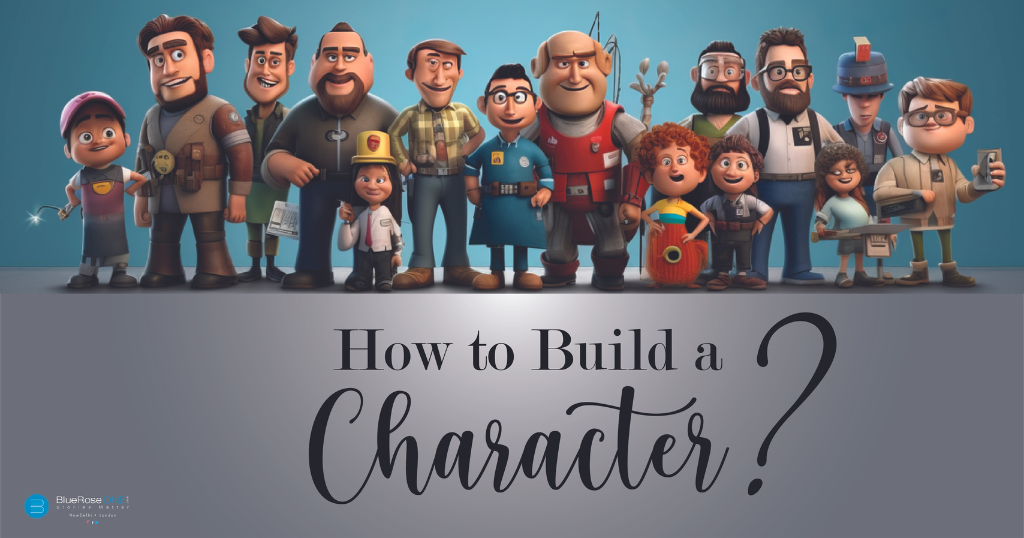
How to do Character Development: Bringing Your Characters to Life
In a world where reality is fictionized to make up for the lack of resonance, characters are made to be our comfort zones. In a book, a character is a fictional person, being, or entity created by the author to play a role within the story. Characters are central to the narrative and are typically individuals with their own personalities, backgrounds, motivations, and complexities. They can be protagonists, antagonists, supporting characters, or even minor characters, each serving a specific function in advancing the plot, conveying themes, or providing depth and context to the story. A well-developed character is not just a name and a physical description; it is a multi-dimensional entity with emotions, desires, flaws, and a unique voice. Readers or viewers engage with these characters, forming connections and emotional attachments as they follow the characters’ journeys and growth throughout the book. Read: How to Beautify Your Book’s Back Cover Design: A Step-by-Step Guide The portrayal and development of characters play a pivotal role in making a story relatable and compelling to the audience. There are many characters who have become our favourites, whether they are the main leads or supporting characters. But why and how does that happen? Why do we connect with them? Why do we feel what they feel? It is pretty simple. Because they are written so well and enigmatically, they draw us towards them. In this blog post, we will be going in depth as writers and readers as to how a character is built to be a fan’s favourite. Protagonist: Zero until the writers make them heroes. The protagonist is the central character around whom the story revolves. The protagonist is typically the character whose journey, challenges, and growth the narrative primarily focuses on. They are often the characters with whom the reader or audience is meant to identify or empathize. The protagonist is at the forefront of the story’s action and is usually involved in the major conflicts or dilemmas that drive the plot forward. The role of the protagonist can vary from one story to another. In some cases, the protagonist is a hero or a character with admirable qualities, while in others, the protagonist may be more complex, with both strengths and flaws. Protagonists can come in various forms, including heroes, anti-heroes, and everyday individuals. Their character development and their journey through the story are central to the overall narrative structure. Developing a protagonist’s character to be realistic and relatable is a cornerstone of crafting a compelling narrative. To achieve this, it’s imperative to create a character with depth and complexity. A one-dimensional, flawless protagonist can alienate readers, as they may struggle to identify with such perfection. Instead, imbue your main character with a rich backstory that informs their present actions and motivations. Read: How to pick between Paperback, Hardcover, eBook – What’s best for you? Explore their strengths and weaknesses, ensuring that their flaws are as apparent as their virtues. These imperfections make characters more relatable and human. Clearly define your protagonist’s motivations and goals, as these desires are what drive the plot forward. The protagonist should undergo both internal and external conflicts, wrestle with moral dilemmas, and experience moments of self-doubt. Crafting a well-thought-out character arc is essential, showcasing their evolution throughout the story. By allowing your protagonist to grow and change in response to their experiences, you invite readers to join them on a journey of self-discovery and transformation. Infuse the character with a unique voice, use dialogue and interactions to reveal their personality, and remember to “show, don’t tell.” Ultimately, relatability comes from the protagonist’s humanity, vulnerabilities, and the authenticity of their struggles. It’s this relatability that forges a strong connection between the character and the reader, ensuring their immersion in the narrative. Antagonist: Readers’ Guilty Pleasure and Writers’ Dark Side The antagonist is a character or force that opposes the protagonist, creating conflict and tension within the story. The antagonist serves as the primary source of opposition and stands in the way of the protagonist’s goals or desires. They are often responsible for creating obstacles, challenges, and dilemmas that the protagonist must overcome, driving the plot forward and providing a central source of conflict. Antagonists come in various forms and can be complex characters with their own motivations, or they can be more one-dimensional figures whose primary purpose is to act as an obstacle to the protagonist’s journey. Some antagonists may be villains, but not all antagonists are necessarily evil or malevolent; they simply have goals or interests that conflict with those of the protagonist. The role of the antagonist is essential in shaping the narrative and helping to reveal the strengths and weaknesses of the protagonist. The tension and conflict generated by the antagonist are central to the story’s progression and often lead to character development and growth in the protagonist. Developing a realistic and relatable antagonist is a pivotal aspect of crafting a dynamic and engaging narrative. To achieve this, it is essential to delve deep into the character’s psyche. Start by defining their motivations and goals clearly, providing insight into what drives them. Avoid the clichéd, one-dimensional villain and opt for complexity, crafting a backstory that elucidates their evolution and choices. Develop a moral code that, while differing from the protagonist’s, remains consistent within their worldview, thus presenting moral dilemmas. Like the hero, the antagonist should possess flaws and vulnerabilities, rendering them human and relatable. It’s often these imperfections that generate empathy. Incorporate moments that allow readers to connect with the antagonist, showcasing their struggles and vulnerabilities. Consider granting the antagonist a character arc, offering opportunities for change and growth, and exploring their relationships with other characters. Reveal a range of emotions, from doubt to regret, and imbue them with humanising qualities, be they a sense of humour or moments of genuine care. In dialogue and monologues, provide insights into their mindset, always adhering to the “show, don’t tell” principle. Ultimately, creating an antagonist with depth and relatability adds layers to your story, making it more engaging and thought-provoking…