
What Is Micro Learning? Small Lessons to Achieve Big

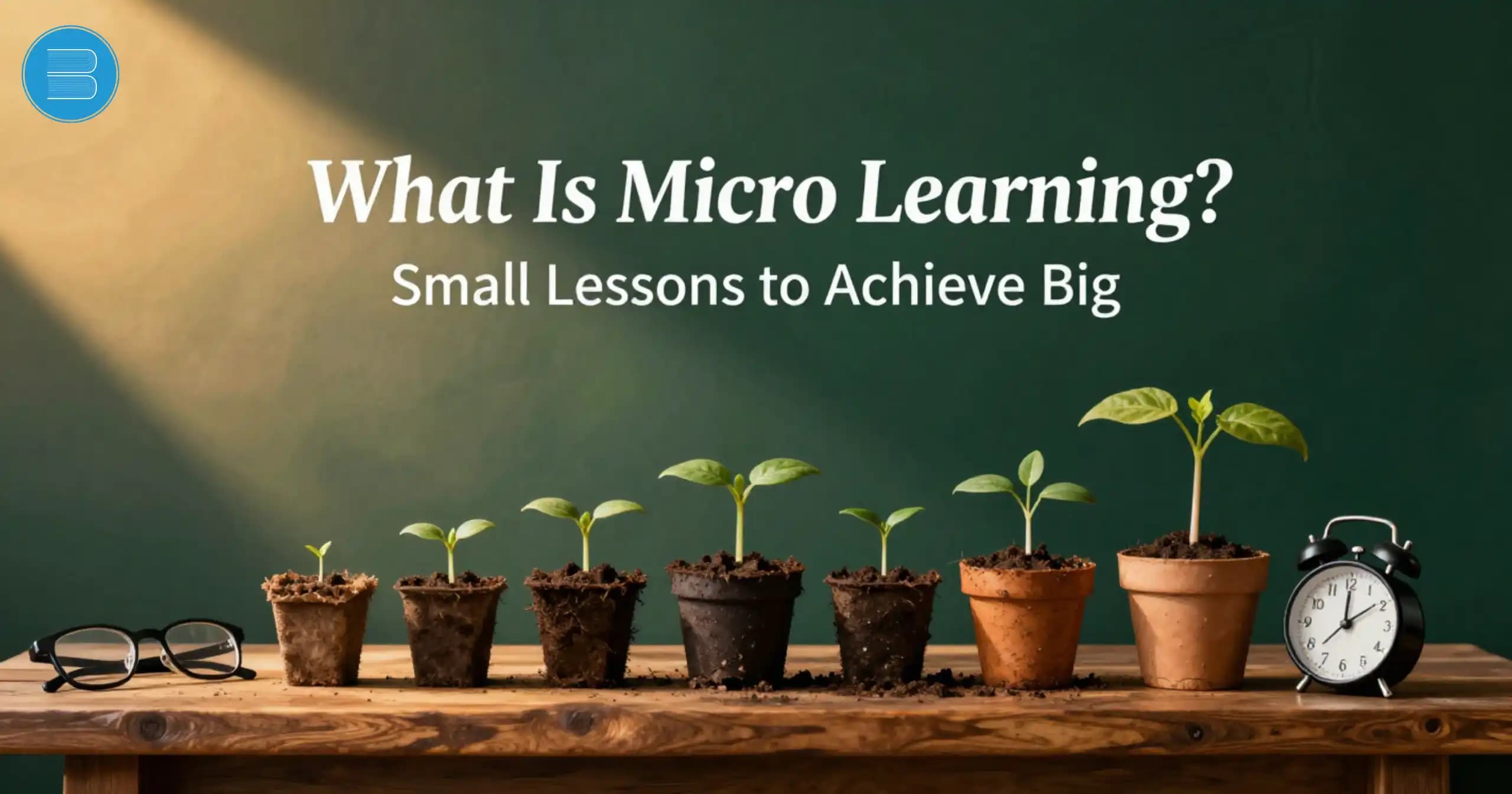
When you look at a blank page, a 300-page novel manuscript draft, or an intimidating stack of classic literature, the sheer volume of work can leave you paralyzed. Writers, poets, and passionate readers often struggle not with a lack of inspiration, but with a lack of time. Enter micro learning: a high-impact, bite-sized approach to skill development that fits naturally into a busy creative life.
So, what is micro learning, and how can writers, poets, and literature lovers harness its power to achieve massive creative breakthroughs?
Simply put, micro learning breaks complex topics into short, focused nuggets, typically taking between 2 to 10 minutes to complete, designed to answer a single question or master a specific micro-skill.
Rather than sitting down for exhaustive, two-hour lecture series on story structure or poetic meter, micro learning delivers actionable knowledge right when you need it. By focusing on small, continuous improvements, authors, poets, and book lovers can build sustainable habits that yield extraordinary results over time.
You may also like: Top Books on Procrastination That Actually Help
You may also read: What to Write in a Sympathy Card | Write A Heartfelt Sympathy Card Messages
You may also like: Psychological Fiction: Definition, Elements and Examples
What Is Micro Learning? The Science Behind Bite-Sized Education
At its core, micro learning turns traditional educational theory on its head. Instead of drowning learners in heavy cognitive loads, it delivers short bursts of targeted content designed for immediate application.
The Cognitive Psychology
In the late 19th century, psychologist Hermann Ebbinghaus discovered the Forgetting Curve, revealing that humans lose nearly 70% of new information within 24 hours if it isn’t reinforced.
Traditional long-form courses trigger severe cognitive overload. When you absorb dozens of complex concepts in a single sitting, your working memory hits a ceiling.
Micro learning solves this by delivering information in short, digestible units that align with human working memory limits. By engaging in brief daily learning intervals, you continuously reset the forgetting curve, transferring fresh knowledge into long-term memory.
Key Components of Effective Micro Lessons
To be truly effective, a micro learning session must possess three essential characteristics:
- Laser Focus: It addresses one single learning objective (e.g., How to write a sensory metaphor rather than The history of figurative language).
- Bite-Sized Timing: It takes under 10 minutes, often between 3 and 5 minutes.
- Immediate Utility: It offers immediate application, allowing you to practice the concept on the spot.
“Great things are done by a series of small things brought together.” — Vincent van Gogh
Why Micro Learning Is a Game-Changers for Writers, Poets, and Readers
For creative artists and avid readers, time is often the scarcest resource. Here is why micro learning fits seamlessly into the literary lifestyle.
1. Overcoming Blank Page Syndrome and Writer’s Block
Big tasks trigger procrastination. Committing to “write a chapter” can feel daunting, but learning a 3-minute lesson on writing vivid scene entrances lowers the barrier to entry. Micro learning gets your brain moving without demanding heavy emotional output.
2. Sharpening Literary Craft in the Nooks and Crannies of Day-to-Day Life
Whether you are waiting for coffee to brew or riding public transit, micro learning transforms idle minutes into creative fuel. You can master poetic forms like the villanelle, study character motivation, or practice dialogue pacing in under five minutes.
3. Preventing Creative Burnout
Intensive writing marathons often lead to mental exhaustion. Short, manageable learning modules keep your creative momentum alive without burning you out, ensuring consistency over long-term projects like novels or poetry collections.
You may also like: 150+ Popular Witch Names That Sounds Truly Magical
You may also read: 50 Brilliant Alliteration Examples to Instantly Elevate Your Writing
You may also read: 25+ Figures of Speech: Definitions & Examples
You may also like: Discover Best Contemporary Poets – Discover New Voices

How Writers and Authors Can Apply Micro Learning Daily
To build a sustainable writing career, micro learning shouldn’t feel like extra homework—it should feel like an integrated creative warm-up.
Micro-Prompts for Craft Mastery
Use micro-prompts focused on specific craft techniques. Spend 5 minutes dissecting a single element:
- Show, Don’t Tell: Instead of simply stating emotions or facts, reveal them through actions, dialogue, body language, and vivid sensory details. This micro-learning technique strengthens storytelling, creates immersive scenes, and helps readers connect emotionally by experiencing the moment rather than being told about it.
- Sensory Layering: Sensory Layering: Sensory layering is the practice of combining multiple senses, such as sight, sound, smell, touch, and taste, within a single scene to create vivid, immersive writing. This micro-prompt helps writers add depth, strengthen emotional impact, and make descriptions feel more authentic without overwhelming the reader.
- Pacing and Rhythm: Use micro-prompts to improve the flow of your writing by changing sentence length, managing scene tempo, and balancing action and reflection. Using these minor strategies helps to generate interesting narratives, keep readers interested, and give each paragraph a natural, intentional rhythm.
Daily Micro-Habits for Long-Form Success
If your goal is a full-length book, break the project down into micro-steps:
- Outline One Scene (5 mins): Write down the goal, conflict, and outcome of a single scene.
- Draft One Paragraph (5 mins): Focus purely on momentum without editing.
- Refine One Line of Dialogue (3 mins): Ensure every word reflects character voice.
For authors navigating self-publishing, studying the publishing industry works best in micro-doses. Rather than trying to master formatting, cover design, and marketing in a single weekend, break your learning into focused daily lessons.
You may also like: Oxford Comma Examples | Write Clearer, Cleaner Lists | Complete Guide
You may also read: Repetition Examples in Literature: Write With Impact
Top Tools and Strategies to Start Your Micro Learning Journey
Getting started with micro learning doesn’t require expensive software. You can set up a system today using tools you already own.
Flashcard Apps (Anki, Brainscape): Use spaced-repetition flashcards to memorize literary terms, vocabulary words, or historical context.
Micro-Note Apps (Notion, Google Keep, Apple Notes): Keep a dedicated folder for 3-minute craft tips, quick prose edits, and character ideas.
Micro-Podcasts and Audio Snippets: Listen to 5-minute episodes covering publishing tips or literary history during your daily commute.
Daily Writing Email Lists: Subscribe to platforms that deliver a daily writing prompt or poetry challenge directly to your inbox.
Final Thoughts
Understanding what micro learning is reveals a simple truth: colossal goals aren’t achieved through rare bursts of perfection, but through small, consistent daily actions. By breaking down the art of writing, poetry, and reading into bite-sized lessons, you can fit creative growth into even the busiest schedule.
Whether you are drafting your first short story, perfecting a poetry collection, or preparing a manuscript for print, progress happens one small lesson at a time.
Ready to turn your written manuscript into a published book?


0 Comments